Views: 317 Author: taoyan-Jenny Publish Time: 2025-12-26 Origin: Site


Content Menu
● Understanding Energy Storage Systems
>> Types of Energy Storage Technologies
● The 16MW Energy Storage System
● Benefits of a 16MW Energy Storage System
>> Supporting Renewable Energy Integration
>> Providing Ancillary Services
● Challenges in Implementing Energy Storage Systems
>> Regulatory and Policy Hurdles
● Future Prospects of Energy Storage Systems
>> Integration with Smart Grids
>> 1. What is the primary function of a 16MW energy storage system?
>> 2. How does energy storage support renewable energy integration?
>> 3. What are the main challenges in implementing energy storage systems?
>> 4. What are the benefits of connecting an energy storage system to the grid?
>> 5. What future developments can we expect in energy storage technology?
# 16MW User Energy Storage Connected to the Grid and Put into Operation
The integration of energy storage systems into the electrical grid is a transformative development in energy management. A 16MW user energy storage system represents a significant advancement in enhancing grid stability, optimizing energy use, and facilitating the transition to renewable energy sources. This article explores the operational aspects, benefits, challenges, and future prospects of a 16MW energy storage system connected to the grid.
Energy storage refers to technologies that capture energy produced at one time for use at a later time. This capability is crucial for balancing supply and demand in the electrical grid, especially with the increasing penetration of intermittent renewable energy sources like solar and wind.

Energy storage technologies can be broadly categorized into several types:
1. Battery Storage: This includes lithium-ion, lead-acid, and flow batteries, which are commonly used for grid applications due to their efficiency and scalability.
2. Mechanical Storage: Technologies such as pumped hydro storage and flywheels store energy in mechanical forms.
3. Thermal Storage: This involves storing energy in the form of heat, which can be converted back to electricity when needed.
4. Chemical Storage: Hydrogen production through electrolysis is an example of chemical energy storage, where excess electricity is converted into hydrogen for later use.
A 16MW energy storage system typically consists of a series of battery units, inverters, and control systems that manage the flow of electricity between the grid and the storage units. This system can absorb excess energy during periods of low demand and release it during peak demand, thus stabilizing the grid.
Connecting a 16MW energy storage system to the grid involves several key components:
- Inverters: These devices convert the stored DC power from batteries into AC power suitable for the grid.
- Transformers: They adjust the voltage levels to match the grid requirements.
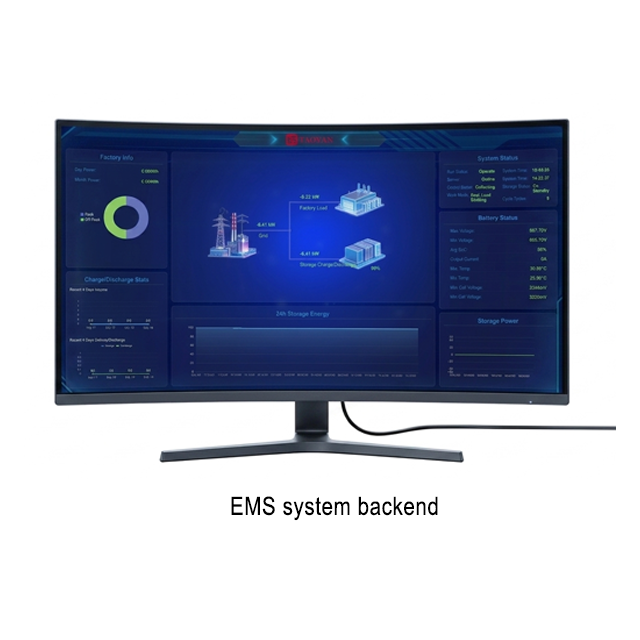
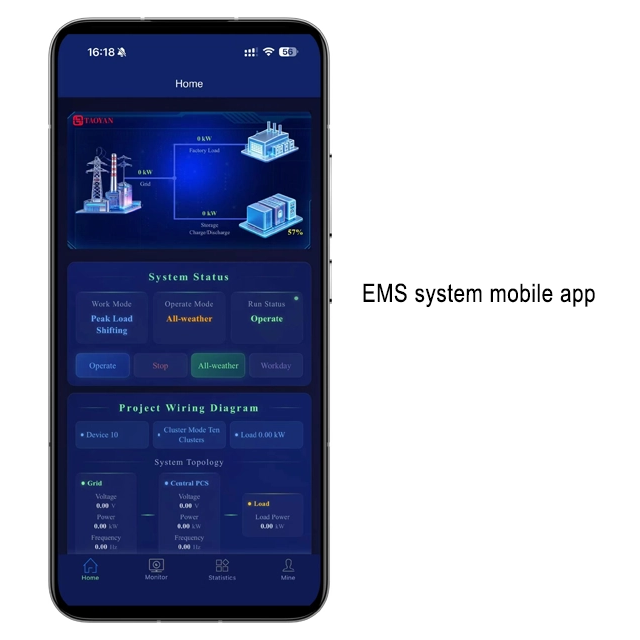
- Control Systems: Advanced software manages the charging and discharging cycles, ensuring optimal performance and compliance with grid standards.

One of the primary benefits of a 16MW energy storage system is its ability to enhance grid stability. By providing a buffer against fluctuations in supply and demand, the system helps maintain a consistent voltage and frequency on the grid.
Energy storage systems play a crucial role in integrating renewable energy sources. By storing excess energy generated during peak production times, such as sunny or windy days, the system can release this energy when production is low, thus facilitating a smoother transition to a renewable energy-dominated grid.
By optimizing the use of stored energy, users can reduce their reliance on grid power during peak pricing periods. This not only lowers energy costs for consumers but also alleviates stress on the grid during high-demand periods.
A 16MW energy storage system can provide various ancillary services, such as frequency regulation, voltage support, and spinning reserve. These services are essential for maintaining the reliability and efficiency of the electrical grid.
The initial investment for a 16MW energy storage system can be substantial. While prices for battery technologies have been decreasing, the overall cost of installation, including infrastructure and integration with the grid, remains a significant barrier.
Navigating the regulatory landscape can be challenging for energy storage projects. Policies regarding interconnection, incentives, and market participation vary widely and can impact the feasibility of such projects.
While battery technologies have advanced significantly, challenges such as energy density, cycle life, and environmental impact of materials used in batteries remain concerns that need to be addressed.
The future of energy storage is promising, with ongoing research and development aimed at improving battery technologies, such as solid-state batteries and advanced flow batteries. These innovations could enhance energy density, reduce costs, and improve safety.
As governments worldwide recognize the importance of energy storage in achieving climate goals, supportive policies and incentives are likely to increase. This could include funding for research, tax credits for installations, and streamlined permitting processes.
The integration of energy storage systems with smart grid technologies will enhance their effectiveness. Smart grids can optimize the operation of energy storage systems by using real-time data to manage energy flows more efficiently.
The deployment of a 16MW user energy storage system connected to the grid marks a significant advancement in energy management. By enhancing grid stability, supporting renewable energy integration, and providing cost savings, such systems are essential for the transition to a sustainable energy future. As technology continues to evolve and policies become more supportive, the role of energy storage in the electrical grid will only grow, paving the way for a more resilient and efficient energy landscape.
The primary function of a 16MW energy storage system is to store excess energy generated during low demand periods and release it during peak demand, thereby stabilizing the electrical grid.
Energy storage systems store excess energy produced by renewable sources, allowing for a consistent power supply even when production is low, thus facilitating the integration of renewables into the grid.
The main challenges include high initial costs, regulatory hurdles, and technological limitations related to battery performance and environmental impact.
Benefits include enhanced grid stability, reduced energy costs, support for renewable energy integration, and the provision of ancillary services.
Future developments may include advancements in battery technologies, increased policy support, and better integration with smart grid systems to optimize energy management.