
Views: 215 Author: taoyan-Jenny Publish Time: 2025-11-25 Origin: Site


Content Menu
● Understanding Energy Storage Systems (ESS)
>> What are Energy Storage Systems?
>> Importance of Thermal Management in ESS
>> Advantages of Liquid Cooling
>>> 1. Superior Heat Dissipation
>>> 2. Enhanced Temperature Uniformity
>> Disadvantages of Liquid Cooling
>>> 2. Complexity of Installation
>>> 3. Maintenance Requirements
>>> 4. Risk of Leaks
>>> 2. Simplicity and Reliability
>>> 3. Adequate Performance for Many Applications
>> Disadvantages of Air Cooling
>>> 1. Limited Cooling Efficiency
>>> 2. Noise Levels
>>> 3. Bulkiness
>> Performance
>> Maintenance and Reliability
>> 1. What are the main benefits of using liquid cooling in energy storage systems?
>> 2. How does air cooling compare to liquid cooling in terms of cost?
>> 3. What maintenance is required for liquid cooling systems?
>> 4. Can air cooling systems effectively manage high-performance energy storage applications?
>> 5. What are the risks associated with liquid cooling systems?
In the realm of energy storage systems (ESS), effective thermal management is crucial for ensuring safety, efficiency, and longevity of the batteries. Two primary cooling methods are commonly employed: liquid cooling and air cooling. Each method has its own set of advantages and disadvantages, which can significantly impact the performance and reliability of energy storage systems. This article delves into the intricacies of both cooling systems, providing a comprehensive analysis of their benefits and drawbacks.
Energy storage systems are technologies that store energy for use at a later time. They play a vital role in balancing supply and demand in power systems, integrating renewable energy sources, and enhancing grid stability. Common types of energy storage include batteries, pumped hydro storage, and flywheels, with battery energy storage systems (BESS) being the most prevalent in modern applications.
Thermal management is essential in energy storage systems to prevent overheating, ensure optimal performance, and prolong the lifespan of batteries. Excessive heat can lead to thermal runaway, a dangerous condition that can cause fires or explosions. Therefore, effective cooling solutions are critical in maintaining safe operating temperatures.
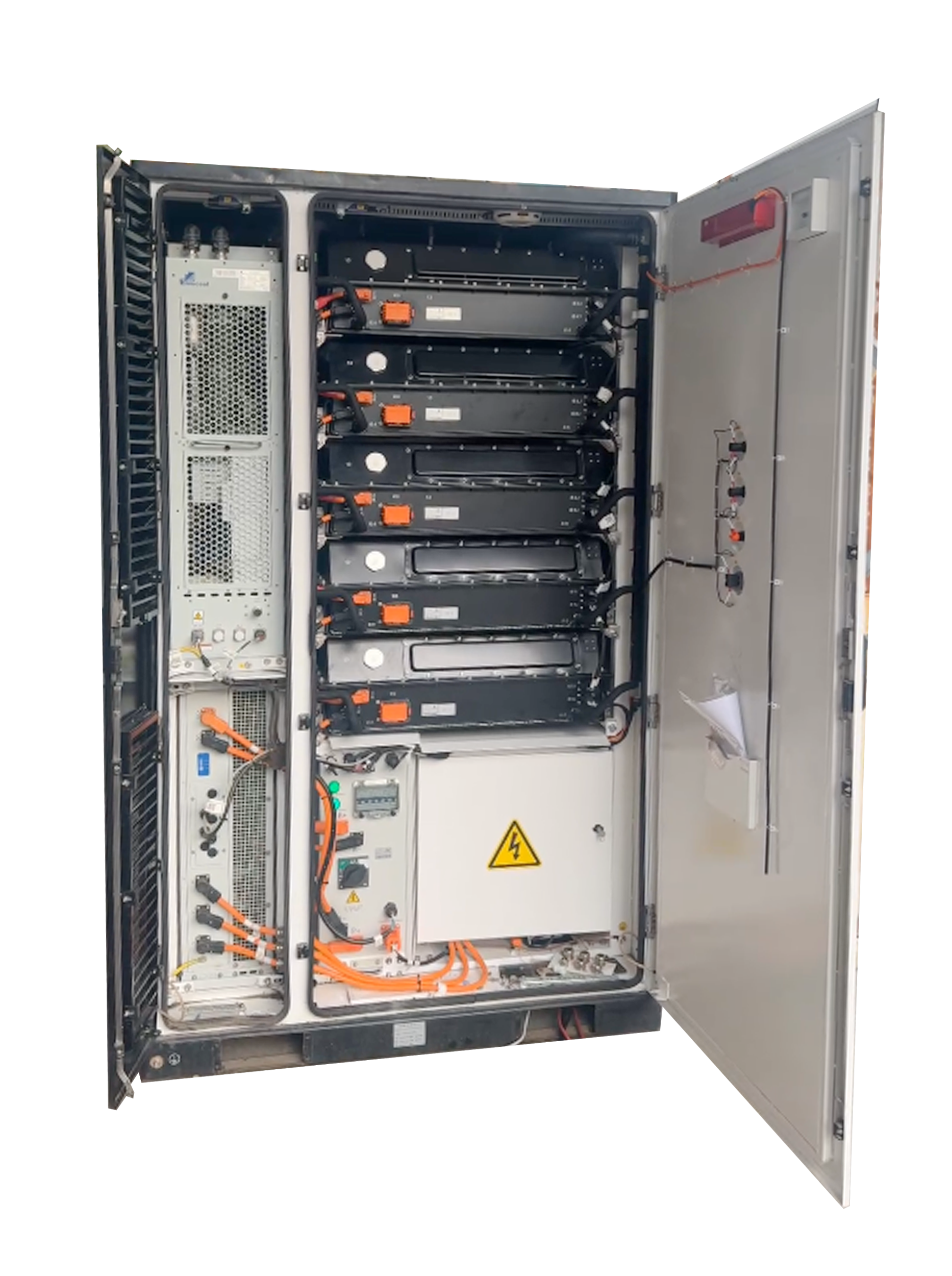
Liquid cooling systems utilize a coolant, typically water or a specialized fluid, to absorb and dissipate heat from battery cells. This method is known for its high efficiency in heat transfer, making it suitable for high-density energy storage applications.
Liquid cooling systems excel in heat dissipation due to the high thermal conductivity of liquids. They can effectively manage the heat generated during charging and discharging cycles, ensuring that battery temperatures remain within safe limits. This capability is particularly beneficial in high-power applications where heat generation is significant.
Liquid cooling provides more uniform temperature distribution across battery cells. This uniformity helps prevent localized overheating, which can lead to reduced battery performance and lifespan. By maintaining consistent temperatures, liquid cooling can enhance the overall efficiency of the energy storage system.
Liquid cooling systems often require less physical space compared to air cooling systems. The compact design of liquid cooling components, such as pumps and radiators, allows for better utilization of space within energy storage installations. This is especially advantageous in large-scale applications where space is limited.
While all cooling systems generate some noise, liquid cooling systems tend to operate more quietly than air cooling systems. The fans in air cooling setups often need to run at higher speeds to dissipate heat, resulting in increased noise levels. In contrast, liquid cooling systems can maintain lower noise levels, contributing to a more pleasant operating environment.
One of the primary drawbacks of liquid cooling systems is their higher initial cost. The complexity of the system, which includes pumps, radiators, and coolant, leads to increased capital expenditure. For organizations with budget constraints, this can be a significant consideration.
Installing a liquid cooling system can be more complex than setting up an air cooling system. The need for precise installation to prevent leaks and ensure proper coolant flow adds to the complexity. This can require specialized knowledge and skills, making it less accessible for some users.
Liquid cooling systems require regular maintenance to ensure optimal performance. Users must monitor coolant levels, check for leaks, and maintain the integrity of the system. Failure to perform these maintenance tasks can lead to system failures and increased risks.
The presence of liquid in cooling systems introduces the risk of leaks. While modern liquid cooling systems are designed to minimize this risk, leaks can still occur, potentially leading to catastrophic failures and damage to battery cells. This risk is a significant concern for many users.
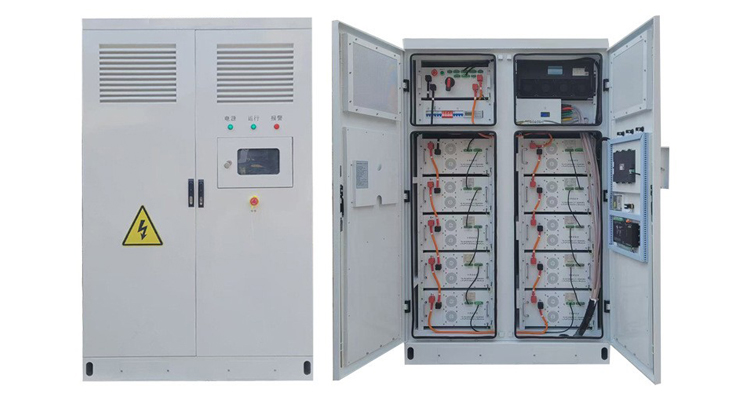
Air cooling systems use fans to circulate air over heat sinks attached to battery cells. This method relies on the natural convection of air to dissipate heat, making it a simpler and more traditional approach to thermal management.
Air cooling systems are generally more affordable than liquid cooling systems. The simplicity of their design means that they require fewer components, resulting in lower capital costs. This makes air cooling an attractive option for budget-conscious organizations.
Air cooling systems are straightforward to install and maintain. Most users are familiar with the basic principles of air cooling, making it accessible for a wide range of applications. Additionally, air cooling systems are less prone to failure, as they do not have the same risk of leaks associated with liquid cooling.
For many energy storage applications, especially those with lower power requirements, air cooling provides sufficient performance. Modern air coolers can effectively manage heat in a variety of environments, making them suitable for everyday use.
Air cooling systems require minimal maintenance compared to liquid cooling systems. Users primarily need to clean dust from fans and heat sinks, making it a hassle-free option for those who prefer low-maintenance solutions.
While air cooling is effective for many applications, it has limitations in terms of cooling efficiency. As battery power increases, air cooling systems may struggle to maintain optimal temperatures, particularly in high-performance scenarios. This can lead to overheating and reduced battery life.
Air cooling systems can be noisier than liquid cooling systems, especially under load. Fans must spin faster to dissipate heat, which can lead to increased noise levels. This can be a drawback for users who prioritize a quiet operating environment.
Air cooling solutions can be bulkier than liquid cooling systems, taking up more space within the energy storage system. This can restrict airflow and make it challenging to fit other components, particularly in compact installations.
In terms of performance, liquid cooling systems generally outperform air cooling systems, especially in high-density applications. The superior heat dissipation capabilities of liquid cooling make it the preferred choice for large-scale energy storage systems where efficiency and safety are paramount.
While air cooling systems are more cost-effective initially, the long-term operational costs must also be considered. Liquid cooling systems, despite their higher upfront costs, can lead to lower energy consumption and reduced maintenance costs over time, making them a potentially more economical choice in the long run.
Air cooling systems are easier to maintain and less prone to catastrophic failures compared to liquid cooling systems. However, the need for regular maintenance in liquid cooling systems can be mitigated with proper installation and monitoring, ensuring reliability in high-performance applications.
Both cooling methods have environmental implications. Liquid cooling systems can be more energy-efficient, reducing the overall carbon footprint of energy storage systems. However, the production and disposal of coolant fluids must also be considered in the environmental assessment.
Choosing between liquid cooling and air cooling systems for energy storage systems involves weighing the advantages and disadvantages of each method. Liquid cooling offers superior performance, enhanced temperature uniformity, and space efficiency, making it ideal for high-density applications. However, it comes with higher costs and maintenance requirements.
On the other hand, air cooling provides a cost-effective, reliable, and straightforward solution for many applications, though it may struggle in high-performance scenarios. Ultimately, the decision should be based on specific application requirements, budget constraints, and long-term operational goals.
Liquid cooling offers superior heat dissipation, enhanced temperature uniformity, and reduced noise levels, making it ideal for high-density energy storage applications.
Air cooling systems are generally more affordable to install and maintain, but liquid cooling may provide better long-term energy efficiency and performance.
Liquid cooling systems require regular checks of coolant levels, monitoring for leaks, and ensuring that all components are functioning properly.
While air cooling can manage heat in many applications, it may struggle in high-performance scenarios, leading to potential overheating.
The primary risks include potential leaks, which can lead to catastrophic failures and damage to battery cells, as well as the complexity of installation and maintenance.


