Views: 207 Author: taoyan-Jenny Publish Time: 2026-01-21 Origin: Site


Content Menu
● Understanding the Policy Change
>> What Are Export Tax Rebates?
● Reasons Behind the Cancellation
>> Market Saturation and Competition
>> International Trade Dynamics
● Implications for the Industry
● The Future of Photovoltaic and Energy Storage Industries
>> Emphasis on Quality and Innovation
>> Potential for Market Consolidation
>> Environmental Considerations
The recent announcement by the Chinese government to cancel export tax rebates for photovoltaic (PV) and energy storage products has sent ripples through the industry. This policy change, effective from April 1, 2026, marks a significant shift in how the government supports these sectors. This article explores the implications of this decision, the reasons behind it, and what it means for the future of the photovoltaic and energy storage industries.
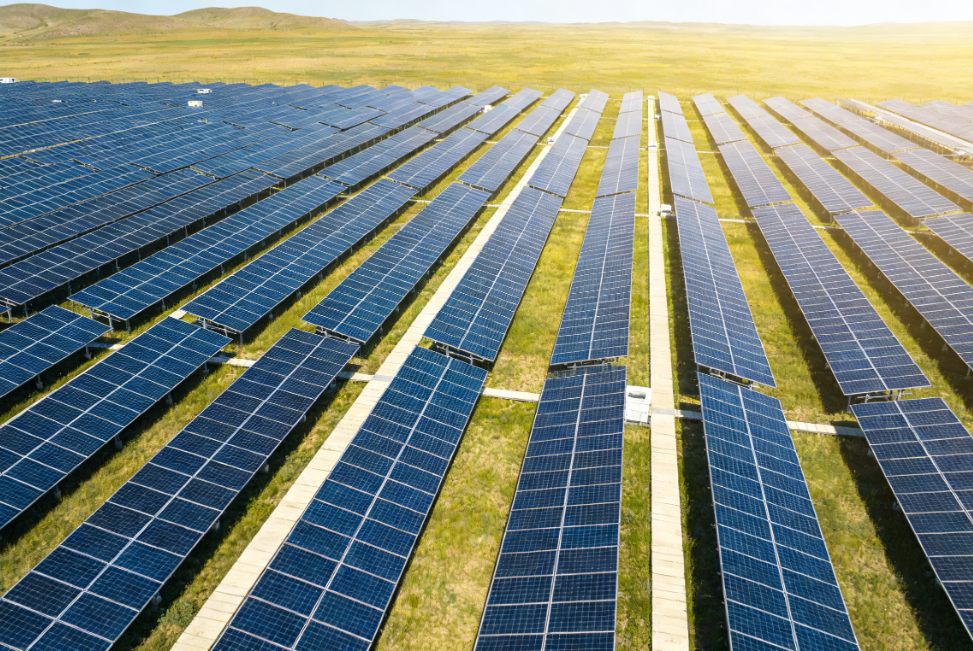
Export tax rebates are financial incentives provided by governments to encourage exports by refunding a portion of the taxes paid on goods sold abroad. In China, these rebates have been crucial for the growth of the photovoltaic and energy storage sectors, allowing companies to remain competitive in the global market.
On January 9, 2026, the Ministry of Finance and the State Taxation Administration of China announced the cancellation of export tax rebates for PV products and a phased reduction for battery products. Specifically, the rebate for battery products will decrease from 9% to 6% until the end of 2026, after which it will be completely eliminated.
The Chinese photovoltaic industry has achieved a dominant position globally, with a significant share of the market. However, this success has led to intense competition and price wars, often referred to as "involution." The government aims to address these issues by removing the export tax rebates, which are seen as a crutch that encourages low-price competition rather than innovation and quality improvement.
The cancellation of export tax rebates is also a response to increasing international scrutiny and trade tensions. Many countries have raised concerns about China's export practices, leading to anti-dumping and countervailing investigations. By removing these rebates, the Chinese government hopes to mitigate these risks and promote a more sustainable and competitive industry.
In the short term, the cancellation of export tax rebates is expected to increase costs for manufacturers. Companies that have relied heavily on these rebates to maintain profit margins will face significant challenges. This could lead to a wave of price increases for consumers and a potential slowdown in exports as companies adjust to the new landscape.
Despite the immediate challenges, the long-term outlook may be more positive. The removal of export tax rebates could drive companies to innovate and improve their products, focusing on quality rather than price. This shift could lead to advancements in technology and efficiency, ultimately benefiting consumers and the environment.
As Chinese companies adapt to the new policy, there may be a shift in global supply chains. Some manufacturers may consider relocating production facilities to countries with more favorable tax regimes, such as those in Southeast Asia. This could lead to a more diversified global market for photovoltaic and energy storage products.
With the removal of export tax rebates, companies will need to prioritize quality and innovation to remain competitive. This could lead to increased investment in research and development, resulting in more efficient and sustainable technologies.
As smaller companies struggle to adapt to the new environment, there may be an increase in mergers and acquisitions within the industry. Larger firms with more resources may acquire smaller players, leading to a more consolidated market.
The shift towards quality and innovation may also have positive environmental implications. As companies focus on developing more efficient technologies, the overall carbon footprint of the photovoltaic and energy storage industries could decrease, contributing to global sustainability goals.
The cancellation of export tax rebates for photovoltaic and energy storage products represents a pivotal moment for the industry. While the immediate effects may be challenging, the long-term benefits could lead to a more innovative and sustainable market. Companies that adapt to these changes will likely emerge stronger and more competitive in the global landscape.
1. What are export tax rebates?
Export tax rebates are financial incentives provided by governments to encourage exports by refunding a portion of the taxes paid on goods sold abroad.
2. When will the export tax rebates for photovoltaic products be canceled?
The export tax rebates for photovoltaic products will be canceled starting April 1, 2026.
3. What are the expected short-term effects of this policy change?
The short-term effects may include increased costs for manufacturers, potential price increases for consumers, and a slowdown in exports.
4. How might this policy change affect innovation in the industry?
The removal of export tax rebates may drive companies to focus on quality and innovation, leading to advancements in technology and efficiency.
5. What could be the long-term implications for the global market?
The long-term implications may include a shift in global supply chains, increased market consolidation, and a greater emphasis on sustainable practices.