Views: 346 Author: taoyan-Jenny Publish Time: 2025-12-17 Origin: Site


Content Menu
● What is a Large Battery Storage Container?
>> Key Features
● Applications of Large Battery Storage Containers
>> Renewable Energy Integration
>> Commercial and Industrial Use
>> Electric Vehicle Charging Stations
● Benefits of Large Battery Storage Containers
● Challenges in Large Battery Storage
>> Recycling and End-of-Life Management
● Future Trends in Large Battery Storage
>> Advancements in Battery Technology
>> Integration with Smart Grids
>> Increased Demand for Renewable Energy
>> Decentralized Energy Systems
>> Enhanced Software Solutions
>> 1. What types of batteries are used in large storage containers?
>> 2. How do large battery storage systems contribute to grid stability?
>> 3. What are the safety features of large battery storage containers?
>> 4. Can large battery storage systems be used for residential applications?
>> 5. What is the future of large battery storage technology?
As the world increasingly shifts towards renewable energy sources, the demand for efficient energy storage solutions has never been higher. Large battery storage containers have emerged as a critical component in this transition, providing the necessary infrastructure to store energy generated from renewable sources like solar and wind. This article explores the various aspects of large battery storage containers, including their design, applications, benefits, challenges, and future trends.
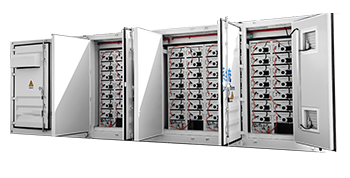
A large battery storage container is a specialized unit designed to house multiple battery systems, typically lithium-ion batteries, for the purpose of energy storage. These containers are often used in commercial and industrial settings to store excess energy generated during peak production times, which can then be used during periods of high demand or when renewable energy generation is low.
- Modular Design: Many large battery storage containers are designed to be modular, allowing for easy scaling. This means that additional containers can be added as energy storage needs grow. This flexibility is particularly beneficial for businesses and utilities that anticipate fluctuating energy demands.
- Temperature Control: Effective thermal management systems are crucial for maintaining optimal battery performance and safety. These systems help prevent overheating and extend the lifespan of the batteries. Advanced cooling technologies, such as liquid cooling and phase change materials, are increasingly being integrated into these systems to enhance efficiency.
- Safety Features: Advanced safety mechanisms, including fire suppression systems and thermal runaway prevention, are integrated into the design to mitigate risks associated with battery storage. These features are essential, especially given the potential hazards associated with lithium-ion batteries, such as overheating and fire.
Large battery storage containers are utilized across various sectors, each with unique requirements and benefits.
One of the primary applications of large battery storage containers is in the integration of renewable energy sources. They store excess energy generated from solar panels or wind turbines, which can be released back into the grid when needed. This capability helps stabilize the grid and ensures a consistent energy supply. For instance, during sunny or windy days, when energy production exceeds demand, the surplus energy can be stored for later use, effectively balancing supply and demand.
Large battery storage systems play a vital role in enhancing grid stability. They can provide ancillary services such as frequency regulation and voltage support, which are essential for maintaining the reliability of the electrical grid. By quickly discharging stored energy during peak demand periods, these systems help prevent blackouts and reduce the need for peaking power plants, which are often less efficient and more polluting.
Businesses are increasingly adopting large battery storage solutions to manage energy costs. By storing energy during off-peak hours when electricity prices are lower, companies can reduce their overall energy expenses and improve their sustainability profile. For example, a manufacturing facility can use stored energy to power operations during peak hours, thus avoiding high demand charges from utility providers.
In critical applications, such as hospitals and data centers, large battery storage containers provide emergency backup power. They ensure that essential services remain operational during power outages, thereby enhancing resilience. This capability is particularly important in regions prone to natural disasters or where grid reliability is a concern.
With the rise of electric vehicles (EVs), large battery storage containers are increasingly being used at charging stations. These systems can store energy during off-peak hours and supply it to EVs during peak charging times, helping to alleviate stress on the grid and reduce charging costs for consumers. This application not only supports the growing EV market but also promotes the use of renewable energy in transportation.
The adoption of large battery storage containers offers numerous advantages.
Investing in large battery storage can lead to significant cost savings over time. By reducing peak demand charges and enabling participation in demand response programs, businesses can lower their energy bills. Additionally, as battery prices continue to decline, the return on investment for these systems becomes increasingly attractive.
Large battery storage containers facilitate the use of renewable energy, thereby reducing reliance on fossil fuels. This shift contributes to lower greenhouse gas emissions and supports global efforts to combat climate change. By enabling a higher penetration of renewables into the energy mix, these systems play a crucial role in achieving sustainability goals.
By utilizing large battery storage systems, organizations can achieve greater energy independence. They can generate and store their own energy, reducing vulnerability to fluctuations in energy prices and supply disruptions. This independence is particularly valuable for remote or off-grid applications, where access to reliable energy sources may be limited.
Large battery storage systems enhance the resilience of the electrical grid by providing backup power during outages and stabilizing voltage levels. This capability is essential for maintaining the reliability of the grid, especially as more intermittent renewable energy sources are integrated.
Despite their many benefits, large battery storage containers face several challenges.
The upfront costs associated with purchasing and installing large battery storage systems can be significant. While prices have been decreasing, the initial investment remains a barrier for some organizations. Financial incentives, such as tax credits and grants, can help mitigate these costs and encourage adoption.
Current battery technologies, particularly lithium-ion, have limitations in terms of energy density, lifespan, and environmental impact. Ongoing research and development are necessary to improve these technologies and make them more sustainable. For instance, the development of solid-state batteries promises to offer higher energy densities and improved safety compared to traditional lithium-ion batteries.
The regulatory landscape for energy storage is still evolving. Navigating the various regulations and standards can be complex, potentially delaying project implementation. Clearer guidelines and supportive policies are needed to facilitate the growth of the battery storage market.
As the use of large battery storage systems increases, so does the need for effective recycling and end-of-life management solutions. Developing sustainable recycling processes for lithium-ion batteries is crucial to minimize environmental impact and recover valuable materials.
The future of large battery storage containers looks promising, with several trends emerging.
Research into alternative battery chemistries, such as solid-state batteries and flow batteries, is underway. These technologies promise higher energy densities, longer lifespans, and improved safety profiles. As these advancements come to fruition, they will likely transform the landscape of energy storage.
As smart grid technologies continue to develop, large battery storage systems will increasingly be integrated into these networks. This integration will enhance grid management and enable more efficient energy distribution. Smart grids can optimize the use of stored energy, ensuring that it is deployed when and where it is needed most.
The global push for renewable energy sources will drive demand for large battery storage solutions. As more countries commit to reducing carbon emissions, the need for effective energy storage will grow. This trend is expected to accelerate as technological advancements make renewable energy more accessible and affordable.
The rise of decentralized energy systems, where energy is generated and consumed locally, will further increase the demand for large battery storage containers. These systems allow communities to become more self-sufficient and resilient, reducing reliance on centralized power plants.
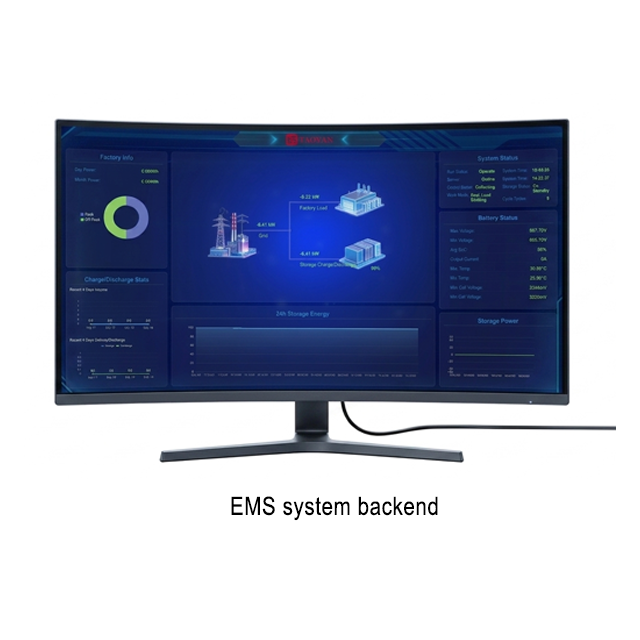
The development of advanced software solutions for energy management will play a crucial role in optimizing the performance of large battery storage systems. These solutions can provide real-time monitoring, predictive analytics, and automated control, ensuring that energy is used efficiently and effectively.
Large battery storage containers are essential for the transition to a sustainable energy future. They provide a reliable means of storing renewable energy, enhancing grid stability, and supporting commercial energy management. While challenges remain, ongoing advancements in technology and increasing demand for renewable energy will likely propel the growth of this sector. As the world continues to embrace clean energy solutions, large battery storage containers will play a pivotal role in shaping the future of energy.
Large battery storage containers typically use lithium-ion batteries due to their high energy density and efficiency. However, other technologies, such as flow batteries and solid-state batteries, are also being explored.
These systems provide essential services like frequency regulation and voltage support, helping to balance supply and demand on the grid and ensuring a reliable energy supply.
Safety features often include fire suppression systems, thermal management technologies, and robust structural designs to prevent accidents and ensure safe operation.
While primarily used in commercial and industrial settings, there are also residential-scale battery storage solutions available, allowing homeowners to store energy for personal use.
The future includes advancements in battery chemistry, integration with smart grid technologies, and increased demand driven by the global shift towards renewable energy sources.