
Views: 305 Author: taoyan-Jenny Publish Time: 2026-02-07 Origin: Site


Content Menu
● H2: Understanding Energy Storage Systems
>> H3: What is an Energy Storage System?
>> H3: Components of Energy Storage Systems
● H2: Application Scenarios of Industrial and Commercial Energy Storage Systems
>> H3: Peak Shaving and Demand Charge Management
>> H3: Integration with Renewable Energy Sources
>> H3: Industrial Applications
>> H3: Transportation and Logistics
● H2: Benefits of Energy Storage Systems
● H2: Future Trends in Energy Storage Systems
>> H3: Technological Advancements
>> H3: Policy and Regulatory Support
In recent years, the demand for energy storage systems has surged, particularly in industrial and commercial sectors. These systems play a crucial role in enhancing energy efficiency, reducing costs, and ensuring reliable power supply. This article delves into various application scenarios of industrial and commercial energy storage systems, highlighting their significance and benefits.
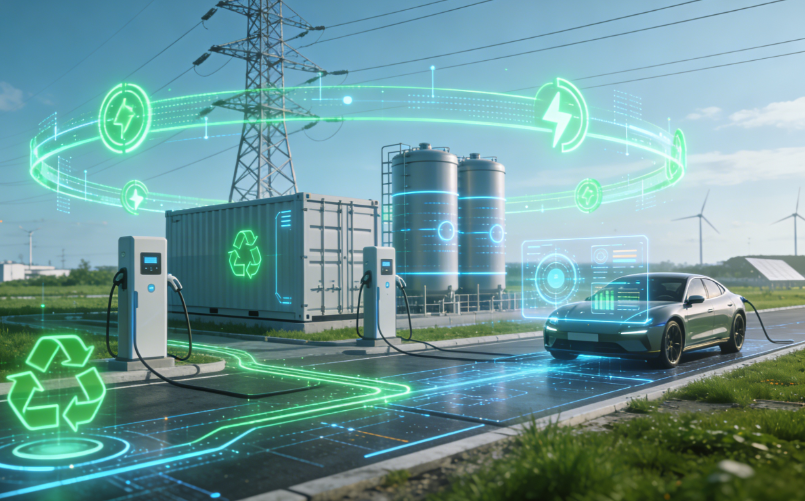
An energy storage system (ESS) is a technology that stores energy for later use. It can be used to balance supply and demand, provide backup power, and enhance the integration of renewable energy sources. The most common types of energy storage systems include batteries, pumped hydro storage, and thermal storage.
Energy storage systems typically consist of several key components:
- Batteries: Store electrical energy for later use.
- Inverters: Convert stored energy from DC to AC for use in electrical systems.
- Energy Management Systems (EMS): Optimize the operation of the energy storage system.
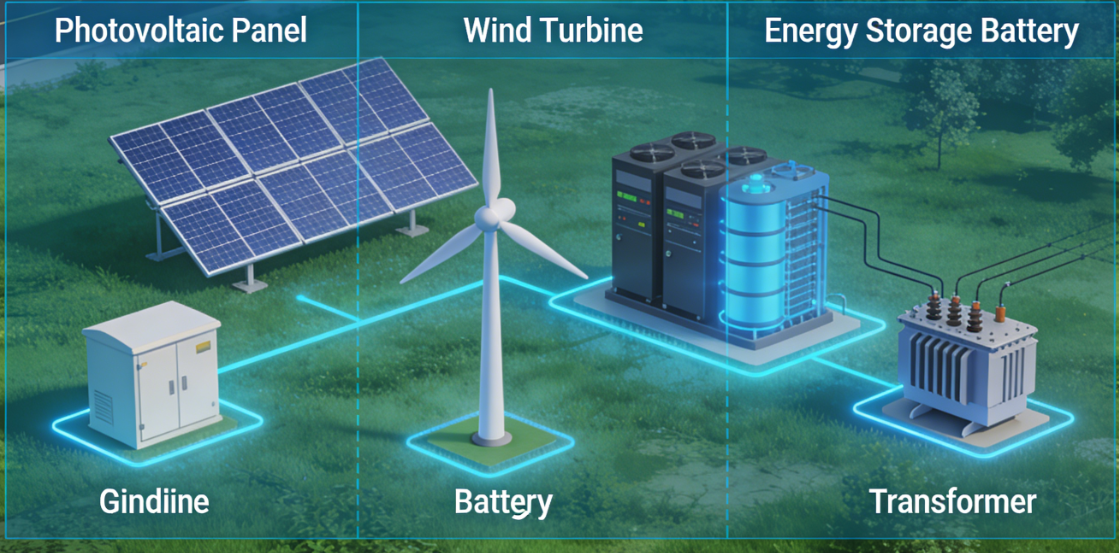
One of the primary applications of energy storage systems in commercial settings is peak shaving. By discharging stored energy during peak demand periods, businesses can reduce their electricity costs significantly. This is particularly beneficial for facilities with high demand charges.
Energy storage systems provide a reliable backup power source during outages. This is crucial for industries such as healthcare, where uninterrupted power is essential for life-saving equipment. Hospitals and clinics can deploy energy storage systems to ensure continuous operation during grid failures.
Energy storage systems are vital for integrating renewable energy sources like solar and wind into the grid. They store excess energy generated during peak production times and release it when production is low, thus stabilizing the energy supply.
In industrial settings, energy storage systems can help manage energy loads, improve efficiency, and reduce operational costs. For example, manufacturing plants can use these systems to avoid downtime caused by grid instability.
Energy storage systems are increasingly being used in transportation and logistics. Electric vehicles (EVs) and charging stations benefit from energy storage by utilizing stored energy during off-peak hours, thus reducing costs and enhancing efficiency.

By reducing peak demand charges and providing backup power, energy storage systems can lead to significant cost savings for businesses. They also enable companies to take advantage of lower electricity rates during off-peak hours.
Energy storage systems enhance the reliability of power supply, ensuring that critical operations can continue without interruption. This is particularly important for industries that rely on consistent power for their operations.
By facilitating the use of renewable energy sources, energy storage systems contribute to reducing carbon emissions and promoting sustainability. They help businesses transition to cleaner energy solutions.
The energy storage industry is witnessing rapid technological advancements, including improvements in battery chemistry, energy density, and system integration. These innovations are expected to enhance the performance and affordability of energy storage systems.
Governments worldwide are increasingly recognizing the importance of energy storage in achieving energy security and sustainability goals. Supportive policies and incentives are likely to drive the adoption of energy storage systems in various sectors.
Industrial and commercial energy storage systems are transforming the way businesses manage their energy needs. By providing reliable backup power, facilitating renewable energy integration, and enabling cost savings, these systems are essential for modern energy management. As technology continues to evolve, the potential applications and benefits of energy storage systems will only expand.
1. What types of energy storage systems are commonly used in commercial applications?
- Common types include lithium-ion batteries, flow batteries, and thermal storage systems.
2. How do energy storage systems help reduce electricity costs?
- They allow businesses to discharge stored energy during peak demand periods, reducing demand charges.
3. Can energy storage systems provide backup power during outages?
- Yes, they are designed to provide reliable backup power when the grid fails.
4. What role do energy storage systems play in renewable energy integration?
- They store excess energy generated from renewable sources and release it when needed, stabilizing the energy supply.
5. What are the future trends in energy storage technology?
- Future trends include advancements in battery technology, increased energy density, and greater integration with smart grid technologies.


