Views: 206 Author: taoyan-Jenny Publish Time: 2025-12-11 Origin: Site


Content Menu
● Benefits of Solar Energy for Homes
>> Assessing Your Home's Solar Potential
>> Initial Costs and Financing Options
>> Integration with Smart Home Technology
>> 1. How much do solar panels cost?
>> 2. How long do solar panels last?
>> 3. Can I install solar panels myself?
>> 4. What happens if my solar panels produce more energy than I use?
>> 5. Are there any tax incentives for installing solar panels?
As the world increasingly turns towards sustainable energy solutions, solar power has emerged as a leading option for homeowners looking to reduce their carbon footprint and energy costs. This article explores the various aspects of solar energy for residential use, including its benefits, installation processes, financial considerations, and future trends.
Solar energy is the energy harnessed from the sun's rays. It can be converted into electricity or heat through various technologies, primarily solar panels. These panels utilize photovoltaic (PV) cells to convert sunlight directly into electricity, which can be used to power homes, businesses, and even electric vehicles.
Solar panels consist of many solar cells made from silicon, a semiconductor material. When sunlight hits these cells, it excites electrons, creating an electric current. This direct current (DC) is then converted into alternating current (AC) by an inverter, making it usable for household appliances.
One of the most significant advantages of solar energy is its positive impact on the environment. By using solar power, homeowners can significantly reduce their reliance on fossil fuels, thereby decreasing greenhouse gas emissions. This shift contributes to combating climate change and promoting a cleaner, healthier planet.
Investing in solar energy can lead to substantial savings on electricity bills. Homeowners can save thousands of dollars over the lifespan of their solar panels. Additionally, many regions offer incentives, such as tax credits and rebates, which can further reduce the initial investment cost.
Homes equipped with solar energy systems often see an increase in property value. Studies have shown that homes with solar panels sell for more than comparable homes without them. This trend is particularly evident in markets where energy efficiency is highly valued.
Before installing solar panels, it's essential to assess your home's solar potential. Factors to consider include:
- Roof Orientation and Angle: South-facing roofs typically receive the most sunlight.
- Shading: Trees, buildings, or other obstructions can reduce solar efficiency.
- Roof Condition: Ensure your roof is in good condition and can support the weight of solar panels.
There are various types of solar systems available, including:
- Grid-Tied Systems: These systems are connected to the local electricity grid, allowing homeowners to draw power when solar production is low and sell excess energy back to the grid.
- Off-Grid Systems: Ideal for remote locations, these systems operate independently of the grid and often include battery storage for energy use during non-sunny periods.
- Hybrid Systems: Combining both grid-tied and off-grid features, hybrid systems offer flexibility and energy independence.
Selecting a reputable solar installer is crucial for a successful installation. Look for:
- Experience and Credentials: Ensure the installer has a proven track record and necessary certifications.
- Customer Reviews: Check online reviews and testimonials from previous clients.
- Warranty and Maintenance: Inquire about warranties on both the panels and installation, as well as ongoing maintenance services.
The upfront cost of solar panel installation can be significant, typically ranging from $15,000 to $25,000 before incentives. However, various financing options are available:
- Cash Purchase: Paying upfront can maximize savings over time.
- Solar Loans: These loans allow homeowners to finance their solar systems while benefiting from immediate energy savings.
- Leases and Power Purchase Agreements (PPAs): These options allow homeowners to use solar energy without the upfront costs, although they may not benefit from tax credits.
Many governments offer incentives to encourage solar adoption. These can include:
- Federal Tax Credit: In the U.S., homeowners can claim a percentage of their solar installation costs as a tax credit.
- State and Local Incentives: Various states offer additional rebates or tax credits.
- Net Metering: This allows homeowners to receive credits for excess energy produced by their solar panels.
Solar panels require minimal maintenance, but regular checks can ensure optimal performance. Homeowners should:
- Clean Panels: Dust and debris can reduce efficiency, so cleaning panels periodically is advisable.
- Inspect for Damage: Regularly check for any physical damage or shading issues.
Most solar panels come with a warranty of 25 years, but they can last much longer with proper care. Over time, panels may experience a slight decrease in efficiency, but many continue to produce energy well beyond their warranty period.
The solar industry is continually evolving, with advancements in technology leading to more efficient and affordable solar solutions. Innovations such as bifacial solar panels, which capture sunlight from both sides, and improved battery storage systems are paving the way for greater energy independence.
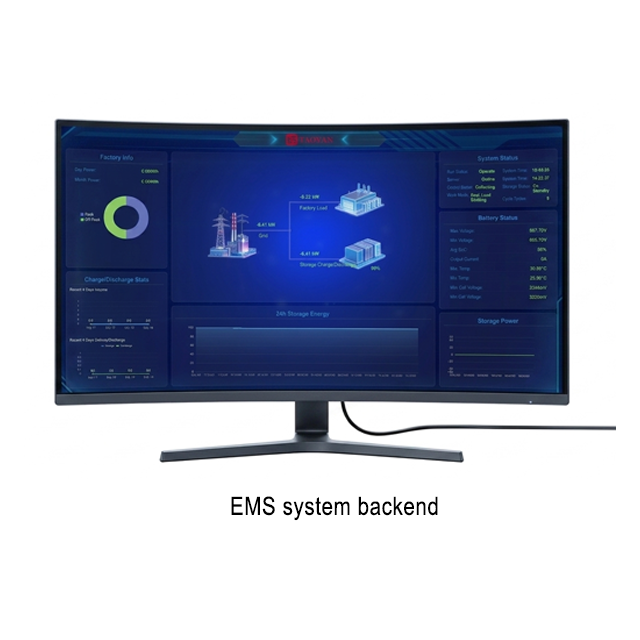
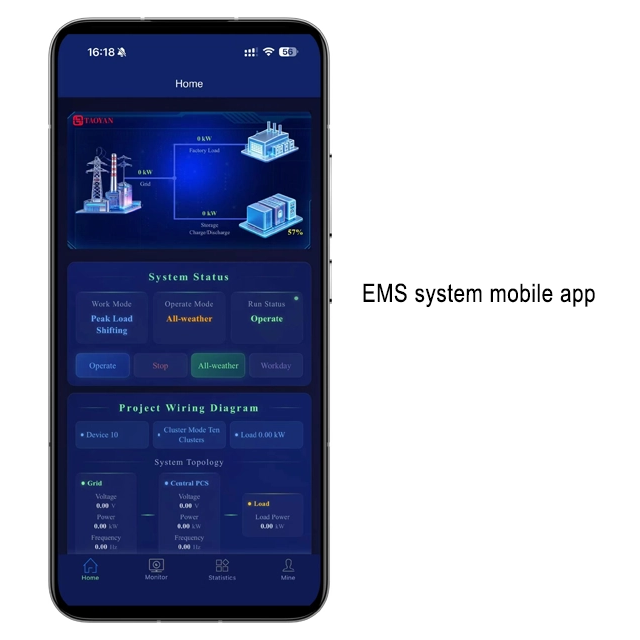
As smart home technology becomes more prevalent, integrating solar energy systems with smart devices can enhance energy management. Homeowners can monitor their energy usage in real-time, optimizing consumption and maximizing savings.
Solar energy presents a viable and sustainable solution for homeowners looking to reduce their energy costs and environmental impact. With the right information and resources, transitioning to solar power can be a rewarding investment that benefits both the homeowner and the planet.
The cost of solar panels varies widely based on system size, location, and installation specifics, typically ranging from $15,000 to $25,000 before incentives.
Most solar panels have a lifespan of 25 years or more, with many continuing to produce energy efficiently beyond that period.
While DIY installation is possible, it requires knowledge of electrical systems and safety precautions. Hiring a professional is often recommended for optimal performance and safety.
Excess energy can often be sold back to the grid through net metering, allowing homeowners to receive credits on their electricity bills.
Yes, many regions offer tax credits, rebates, and other incentives to encourage solar adoption, significantly reducing the overall cost of installation.