Views: 266 Author: taoyan-Jenny Publish Time: 2025-12-30 Origin: Site


Content Menu
● The Rise of Solar Energy in China
● Major Solar Energy Factories in China
>> Advances in Solar Technology
>> Contribution to Global Sustainability
● Challenges Facing the Industry
China has emerged as a global leader in solar energy production, with a robust manufacturing sector dedicated to solar panels and related technologies. This article explores the landscape of solar energy factories in China, their contributions to the global market, technological advancements, and the future of solar energy in the country.

China's journey into solar energy began in the late 20th century, but it wasn't until the early 2000s that significant investments were made. The government recognized the potential of solar energy as a sustainable alternative to fossil fuels, leading to policies that encouraged research, development, and manufacturing in the solar sector.
The Chinese government has implemented various initiatives to promote solar energy. These include subsidies for solar panel installations, tax incentives for manufacturers, and ambitious targets for renewable energy capacity. By 2020, China had become the world's largest producer of solar energy, with a total installed capacity exceeding 250 gigawatts.
China is home to several leading solar panel manufacturers, each contributing significantly to the global supply chain. Some of the most notable companies include:
- JinkoSolar: One of the largest solar panel manufacturers globally, JinkoSolar has a production capacity that exceeds 20 gigawatts annually. The company is known for its high-efficiency solar panels and extensive research and development efforts.
- LONGi Green Energy: Specializing in monocrystalline solar technology, LONGi is recognized for its innovative products and commitment to sustainability. The company has a production capacity of over 30 gigawatts.
- Trina Solar: With a focus on smart energy solutions, Trina Solar has established itself as a leader in the solar industry. The company produces a wide range of solar products, including panels, inverters, and energy storage systems.
The manufacturing process of solar panels in China involves several key steps:
1. Silicon Production: The primary raw material for solar panels is silicon, which is extracted from quartz sand. China is the largest producer of silicon, accounting for a significant portion of the global supply.
2. Wafer Production: Silicon is processed into wafers, which are then used to create solar cells. This step is crucial as the quality of the wafers directly impacts the efficiency of the solar panels.
3. Cell Manufacturing: Solar cells are produced by doping the silicon wafers with other materials to create a p-n junction, which is essential for converting sunlight into electricity.
4. Panel Assembly: The solar cells are then assembled into panels, which are encapsulated to protect them from environmental factors. This step also includes the installation of junction boxes and other components.
5. Quality Control: Rigorous testing is conducted to ensure that the panels meet international standards for efficiency and durability.
China's solar energy factories are at the forefront of technological innovation. Recent advancements include:
- Bifacial Solar Panels: These panels can capture sunlight from both sides, increasing energy output. Bifacial technology is gaining popularity due to its efficiency and effectiveness in various environments.
- Building-Integrated Photovoltaics (BIPV): This technology integrates solar panels into building materials, such as windows and roofs, allowing for energy generation without compromising aesthetics.
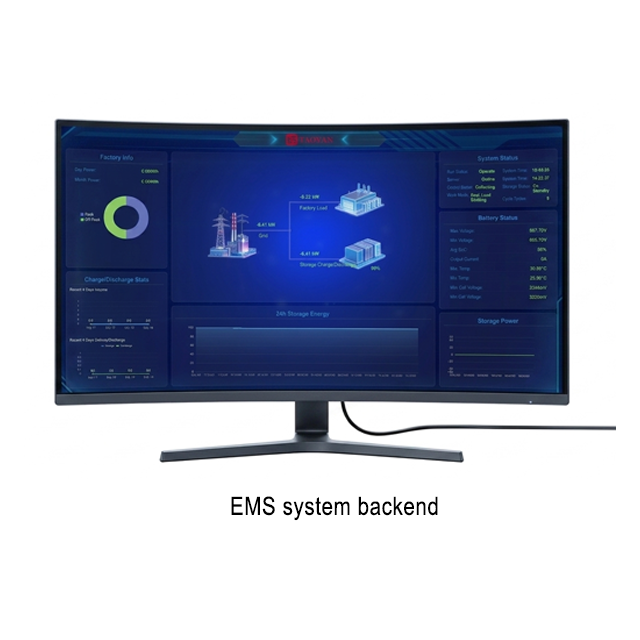
- Energy Storage Solutions: As solar energy production can be intermittent, advancements in battery technology are crucial. Chinese manufacturers are developing efficient energy storage systems to store excess energy generated during peak sunlight hours.
Investment in research and development is a priority for many Chinese solar manufacturers. Collaborations with universities and research institutions have led to breakthroughs in solar cell efficiency and manufacturing processes. The focus on R&D ensures that China remains competitive in the global solar market.
Chinese solar energy factories are increasingly adopting sustainable practices. This includes using recycled materials in production, reducing water consumption, and minimizing waste. Many manufacturers are also investing in renewable energy sources to power their operations, further reducing their carbon footprint.
China's commitment to solar energy plays a vital role in global efforts to combat climate change. By producing affordable solar panels, China is making renewable energy accessible to countries around the world, facilitating the transition to cleaner energy sources.
The solar industry in China faces challenges related to international trade policies. Tariffs imposed by other countries on Chinese solar products can impact competitiveness and market access. Navigating these trade dynamics is crucial for the continued growth of the industry.
The COVID-19 pandemic highlighted vulnerabilities in global supply chains, including those for solar manufacturing. Disruptions in the supply of raw materials and components can affect production timelines and costs.
The future of solar energy in China looks promising. With continued government support and technological advancements, the solar industry is expected to grow significantly. Projections indicate that China's solar capacity could reach over 1,000 gigawatts by 2030.
As the largest producer of solar panels, China is poised to maintain its leadership role in the global solar market. The country's investments in innovation and sustainability will likely set the standard for solar energy production worldwide.
China's solar energy factories are not only pivotal to the country's energy strategy but also play a crucial role in the global transition to renewable energy. With a focus on innovation, sustainability, and efficiency, these factories are shaping the future of solar energy.
1. What are the main benefits of solar energy?
- Solar energy is renewable, reduces greenhouse gas emissions, and can lower electricity costs.
2. How does China lead in solar panel manufacturing?
- China has invested heavily in solar technology, infrastructure, and government support, making it the largest producer of solar panels.
3. What innovations are being developed in solar technology?
- Innovations include bifacial solar panels, building-integrated photovoltaics, and advanced energy storage solutions.
4. What challenges does the solar industry face?
- Challenges include trade policies, supply chain disruptions, and competition from other renewable energy sources.
5. What is the future outlook for solar energy in China?
- The solar industry in China is expected to grow significantly, with projections of reaching over 1,000 gigawatts of capacity by 2030.