Views: 302 Author: taoyan-Jenny Publish Time: 2026-01-05 Origin: Site


Content Menu
● What is a Home Energy Management System?
● Components of a Home Energy Management System
>> Smart Meters
>> Sensors
● Benefits of Home Energy Management Systems
>> Cost Savings
>> Increased Energy Independence
● Challenges and Considerations
>> Complexity
>> Data Privacy
● The Future of Home Energy Management Systems
>> Increased Integration with Smart Home Technologies
>> Greater Focus on Sustainability
In today's world, where energy consumption is a growing concern, the need for efficient energy management has never been more critical. A Home Energy Management System (HEMS) is a smart solution designed to help homeowners monitor, control, and optimize their energy usage. This article delves into the components, benefits, and future of HEMS, providing a comprehensive understanding of how these systems work and their impact on energy efficiency.

A Home Energy Management System (HEMS) is an integrated system that allows homeowners to manage their energy consumption effectively. It combines various technologies, including smart devices, sensors, and software, to provide real-time insights into energy usage. By monitoring energy consumption patterns, HEMS enables users to make informed decisions about their energy use, ultimately leading to cost savings and reduced environmental impact.
1. Real-Time Monitoring: HEMS provides real-time data on energy consumption, allowing homeowners to see how much energy they are using at any given moment. This feature helps identify energy-hungry appliances and encourages users to adjust their habits.
2. Automation: Many HEMS come with automation capabilities, enabling users to schedule when devices operate. For instance, homeowners can set their washing machines to run during off-peak hours when electricity rates are lower.
3. Integration with Renewable Energy Sources: HEMS can integrate with solar panels, wind turbines, and other renewable energy sources. This integration allows homeowners to maximize their use of renewable energy, reducing reliance on the grid and lowering energy costs.
4. User-Friendly Interfaces: Most HEMS feature intuitive dashboards accessible via smartphones or computers. These interfaces provide insights into energy usage patterns, allowing users to track their consumption over time and make adjustments as needed.
A typical HEMS consists of several key components that work together to optimize energy usage:
Smart meters are essential for HEMS, as they provide real-time data on energy consumption. Unlike traditional meters, smart meters can communicate with the HEMS, allowing for more accurate monitoring and management of energy use.
Various sensors can be integrated into a HEMS to monitor different aspects of energy consumption. For example, motion sensors can detect when a room is occupied, allowing the system to adjust lighting and heating accordingly.
Smart appliances, such as refrigerators, washing machines, and thermostats, can be controlled through a HEMS. These devices can be programmed to operate during off-peak hours or when renewable energy is available, further enhancing energy efficiency.
Energy storage systems, such as batteries, can store excess energy generated from renewable sources. HEMS can manage these systems to ensure that stored energy is used efficiently, reducing reliance on the grid during peak hours.
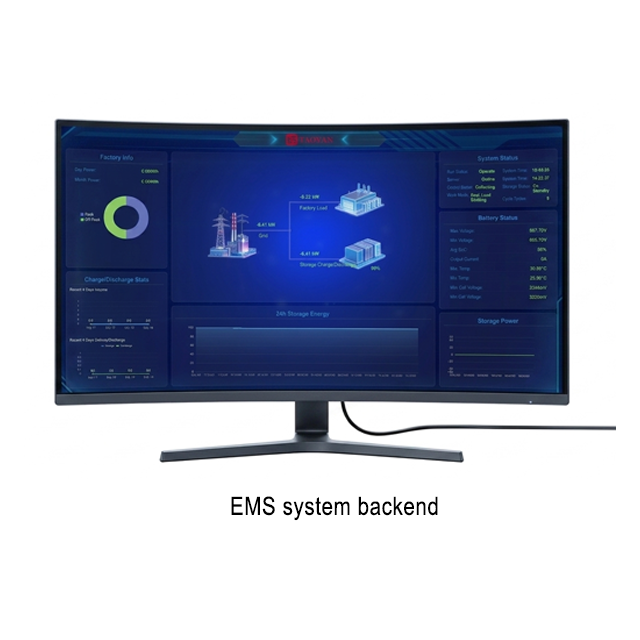
The user interface is the control center of a HEMS. It allows homeowners to monitor their energy usage, set schedules for appliances, and receive alerts about energy consumption patterns. A well-designed interface enhances user engagement and encourages energy-saving behaviors.
Implementing a HEMS offers numerous benefits for homeowners, including:
By providing insights into energy consumption and enabling automation, HEMS can significantly reduce energy bills. Homeowners can identify high-energy appliances and adjust their usage patterns to save money.
HEMS promotes energy efficiency, which contributes to a reduction in carbon emissions. By optimizing energy use and integrating renewable energy sources, homeowners can minimize their environmental footprint.
With the ability to automate heating, cooling, and lighting, HEMS can enhance the comfort of a home. Homeowners can create personalized settings that adjust based on their preferences and daily routines.
By integrating renewable energy sources and energy storage systems, HEMS can help homeowners become more energy independent. This independence reduces reliance on the grid and protects against fluctuating energy prices.
HEMS can contribute to grid stability by managing energy consumption during peak hours. By shifting energy use to off-peak times, homeowners can help reduce strain on the grid, leading to a more reliable energy supply.
While HEMS offer many advantages, there are also challenges to consider:
The upfront cost of installing a HEMS can be significant, especially for homeowners who need to invest in smart appliances and energy storage systems. However, many find that the long-term savings outweigh these initial expenses.
The integration of various devices and technologies can be complex. Homeowners may require technical support to set up and maintain their HEMS effectively.
As HEMS collect and analyze data on energy consumption, concerns about data privacy and security arise. Homeowners must ensure that their systems are secure and that their data is protected.
The future of HEMS looks promising, with advancements in technology driving innovation in energy management. Some trends to watch include:
AI is expected to play a significant role in the evolution of HEMS. By analyzing energy consumption patterns, AI can provide personalized recommendations for energy savings and automate energy management processes.
As smart home technologies continue to evolve, HEMS will likely become more integrated with other smart devices. This integration will create a seamless user experience, allowing homeowners to manage all aspects of their home environment from a single platform.
With growing awareness of climate change and environmental issues, there will be an increased focus on sustainable energy practices. HEMS will play a crucial role in helping homeowners adopt renewable energy sources and reduce their carbon footprint.
Future HEMS will likely feature more engaging user interfaces and gamification elements to encourage energy-saving behaviors. By making energy management more interactive, homeowners may be more motivated to participate actively in their energy consumption.
Home Energy Management Systems represent a significant advancement in how we manage energy consumption in our homes. By providing real-time insights, automation, and integration with renewable energy sources, HEMS empower homeowners to take control of their energy use, leading to cost savings and a reduced environmental impact. As technology continues to evolve, the potential for HEMS to enhance energy efficiency and sustainability will only grow.
1. What is a Home Energy Management System (HEMS)?
A HEMS is a system that helps homeowners monitor and manage their energy consumption through smart devices and real-time data.
2. How can HEMS save me money?
HEMS can identify high-energy appliances, automate usage during off-peak hours, and optimize the use of renewable energy, leading to lower energy bills.
3. What components are typically included in a HEMS?
Common components include smart meters, sensors, smart appliances, energy storage systems, and user interfaces.
4. Are there any challenges associated with HEMS?
Yes, challenges include initial costs, complexity of integration, and concerns about data privacy.
5. What is the future of Home Energy Management Systems?
The future includes advancements in AI, greater integration with smart home technologies, a focus on sustainability, and enhanced user engagement.