Views: 323 Author: taoyan-Jenny Publish Time: 2025-12-15 Origin: Site


Content Menu
● Components of a Household Solar Power System
>> Solar Panels
>> Inverter
● Benefits of Household Solar Power Systems
>> Cost Savings
>> Low Maintenance Requirements
>> Installation
● Future of Household Solar Power Systems
>> Integration with Smart Home Technology
>> 1. How much does it cost to install a solar power system?
>> 2. How long do solar panels last?
>> 3. Can I install solar panels myself?
>> 4. What happens if my solar panels produce more energy than I use?
>> 5. Are there any tax incentives for installing solar panels?
In recent years, the demand for renewable energy sources has surged, driven by the need to combat climate change and reduce dependence on fossil fuels. Among the various renewable energy options, solar power has emerged as a leading choice for households. A household solar power generation system harnesses sunlight to produce electricity, offering numerous benefits including cost savings, energy independence, and environmental sustainability. This article explores the components, benefits, installation process, and future of household solar power generation systems.
Solar power is the conversion of sunlight into electricity using photovoltaic (PV) cells. These cells are typically made from silicon and are designed to absorb sunlight and convert it into direct current (DC) electricity. This electricity can then be used to power household appliances, charge batteries, or be fed back into the electrical grid.
Solar panels consist of multiple PV cells connected together. When sunlight hits the cells, it excites electrons, creating an electric current. This current is then converted from DC to alternating current (AC) by an inverter, making it suitable for use in homes. The efficiency of solar panels can vary based on factors such as the type of panel, the angle of installation, and the amount of sunlight received.
The most visible component of a solar power system is the solar panels themselves. They are available in various types, including monocrystalline, polycrystalline, and thin-film panels. Each type has its advantages and disadvantages in terms of efficiency, cost, and space requirements.
The inverter is a crucial component that converts the DC electricity generated by the solar panels into AC electricity, which is used by most household appliances. There are different types of inverters, including string inverters, microinverters, and power optimizers, each suited for different installation scenarios.
The mounting system secures the solar panels to the roof or ground. It must be durable and capable of withstanding various weather conditions. Proper installation is essential to ensure optimal performance and longevity of the solar panels.
While not all solar power systems include battery storage, it is an important component for those looking to maximize their energy independence. Batteries store excess energy generated during the day for use at night or during cloudy days. This can significantly enhance the reliability of solar power systems.
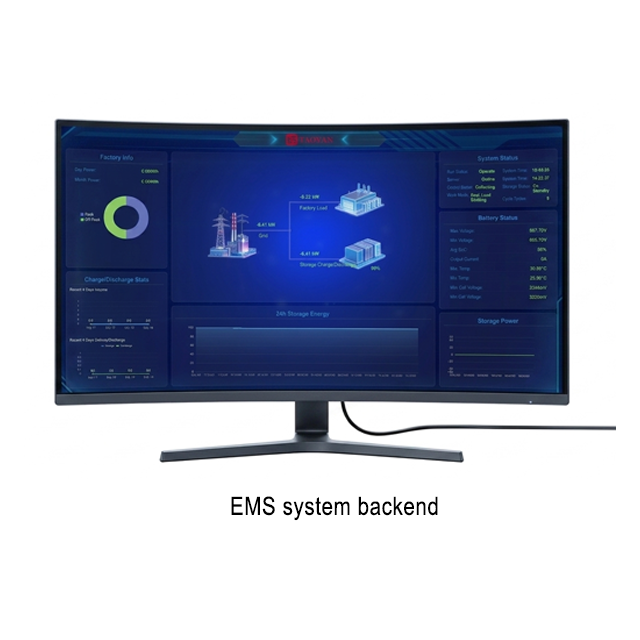
A monitoring system allows homeowners to track the performance of their solar power system. It provides real-time data on energy production, consumption, and system health, enabling users to optimize their energy usage and identify any issues promptly.
One of the most compelling reasons to install a solar power system is the potential for significant cost savings on electricity bills. By generating their own electricity, homeowners can reduce or even eliminate their reliance on grid power. Additionally, many governments offer incentives, tax credits, and rebates to encourage solar adoption, further enhancing the financial benefits.
Solar power systems provide homeowners with a degree of energy independence. By generating their own electricity, they are less vulnerable to fluctuations in energy prices and power outages. This independence can be particularly valuable in areas prone to severe weather or grid instability.
Solar power is a clean and renewable energy source that produces no greenhouse gas emissions during operation. By switching to solar, households can significantly reduce their carbon footprint and contribute to a more sustainable future. This shift is crucial in the fight against climate change and environmental degradation.
Installing a solar power system can increase the value of a home. Many homebuyers are willing to pay a premium for properties equipped with solar energy systems, recognizing the long-term savings and environmental benefits. Studies have shown that homes with solar panels sell faster and at higher prices than those without.
Solar power systems require minimal maintenance once installed. Regular cleaning of the panels and occasional inspections are typically sufficient to ensure optimal performance. Most solar panels come with warranties ranging from 20 to 25 years, providing peace of mind for homeowners.
The first step in installing a solar power system is conducting an initial assessment of the home's energy needs and roof suitability. This involves evaluating the amount of sunlight the roof receives, the angle and orientation of the roof, and any potential shading from trees or buildings.
Once the assessment is complete, a solar installer will design a system tailored to the homeowner's energy needs. This includes selecting the appropriate type and number of solar panels, inverters, and battery storage options.
Before installation can begin, the necessary permits and approvals must be obtained from local authorities. This process can vary significantly depending on the location and may involve inspections and compliance with building codes.
The installation process typically takes one to three days, depending on the size of the system. It involves mounting the solar panels, installing the inverter, and connecting the system to the home's electrical system. Professional installers ensure that all components are securely and correctly installed.
After installation, the system must be inspected by local authorities to ensure compliance with safety and building codes. Once approved, the system can be activated, and homeowners can start generating their own electricity.
The future of household solar power systems looks promising, with ongoing advancements in technology. Innovations in solar panel efficiency, battery storage capacity, and smart home integration are making solar power more accessible and effective for homeowners.
As smart home technology continues to evolve, integrating solar power systems with smart devices will become increasingly common. Homeowners will be able to monitor and control their energy usage in real-time, optimizing their consumption and maximizing savings.
Community solar programs are gaining popularity, allowing multiple households to share the benefits of a single solar installation. This model makes solar power accessible to those who may not have suitable roofs for solar panels, such as renters or those living in multi-family buildings.
Government policies and incentives will play a crucial role in the future of household solar power systems. Continued support for renewable energy initiatives, tax credits, and rebates will encourage more homeowners to adopt solar technology, driving further growth in the industry.
Household solar power generation systems represent a significant step towards a sustainable energy future. By harnessing the power of the sun, homeowners can enjoy cost savings, energy independence, and a reduced environmental impact. As technology continues to advance and policies support renewable energy adoption, the future of solar power looks bright.
The cost of installing a solar power system varies based on factors such as system size, type of panels, and installation complexity. On average, homeowners can expect to pay between $15,000 and $30,000 before incentives.
Most solar panels come with warranties of 20 to 25 years, but they can last longer with proper maintenance. Many panels continue to produce electricity at reduced efficiency even after their warranty period.
While it is possible to install solar panels yourself, it is recommended to hire a professional installer to ensure safety, compliance with local regulations, and optimal system performance.
If your solar panels produce more energy than you use, the excess energy can often be fed back into the grid, allowing you to earn credits or compensation through net metering programs.
Many governments offer tax credits, rebates, and other incentives to encourage solar adoption. These incentives can significantly reduce the overall cost of installing a solar power system.