Views: 206 Author: Site Editor Publish Time: 2026-01-09 Origin: Site


Content Menu
● H2: The Rise of Renewable Energy
>> H3: Solar Power Innovations
>> H3: Wind Energy Developments
● H2: Energy Storage Solutions
>> H3: The Importance of Energy Storage
>> H3: Innovations in Battery Technology
● H2: Smart Grids and Energy Management
>> H3: The Role of Smart Grids
>> H3: Energy Management Systems
● H2: Policy and Regulatory Changes
>> H3: International Agreements
● H2: The Future of New Energy
The global energy landscape is undergoing a significant transformation as we move towards a more sustainable and resilient future. The term "new energy" encompasses a variety of renewable energy sources, including solar, wind, hydro, and geothermal, as well as emerging technologies like energy storage and smart grids. This article explores the latest trends and innovations in the new energy sector, highlighting their implications for businesses, consumers, and the environment.
Solar energy continues to lead the charge in renewable energy adoption. With advancements in photovoltaic technology, solar panels are becoming more efficient and affordable. Innovations such as bifacial solar panels, which capture sunlight on both sides, and solar tracking systems that follow the sun's path are enhancing energy output.
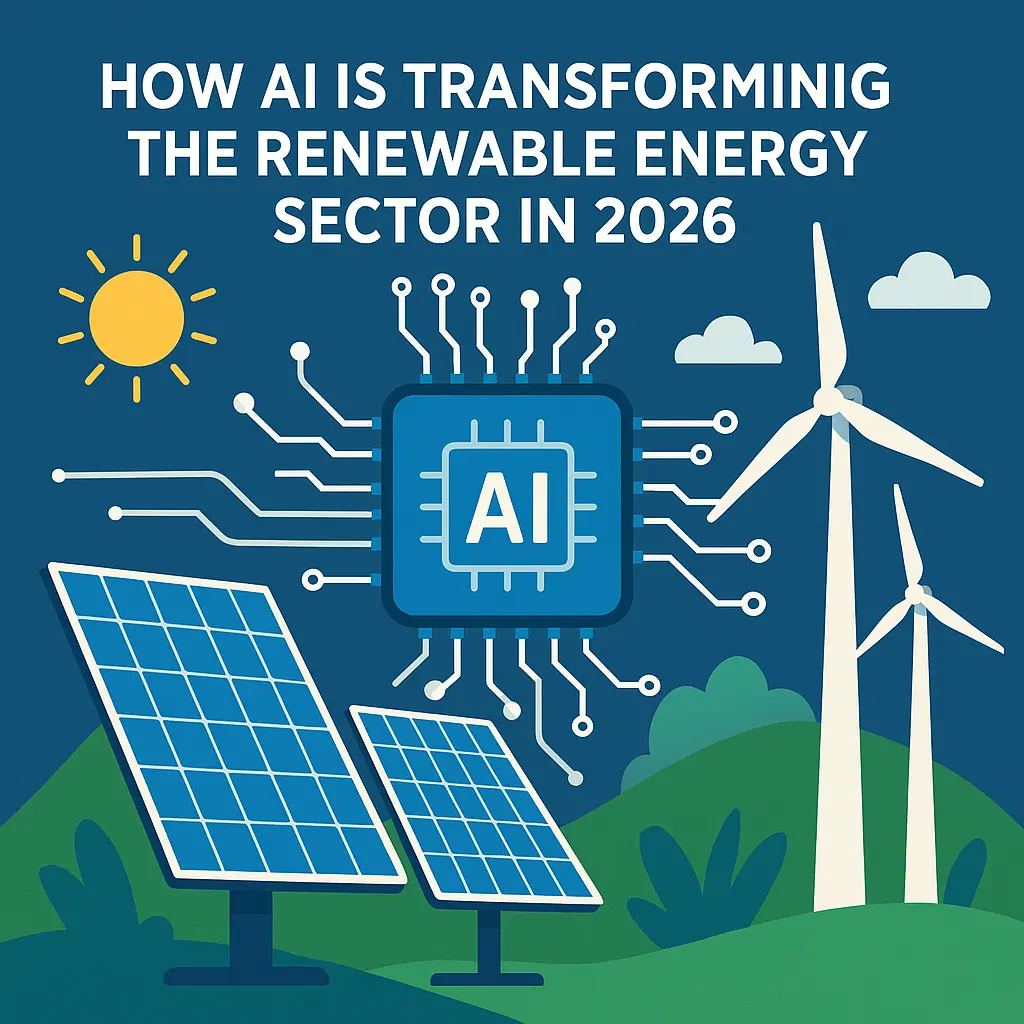
Wind energy is also experiencing rapid growth, with new turbine designs that maximize efficiency and reduce costs. Offshore wind farms are becoming increasingly popular, taking advantage of stronger and more consistent winds found at sea. The integration of AI and machine learning in wind farm management is optimizing energy production and maintenance.

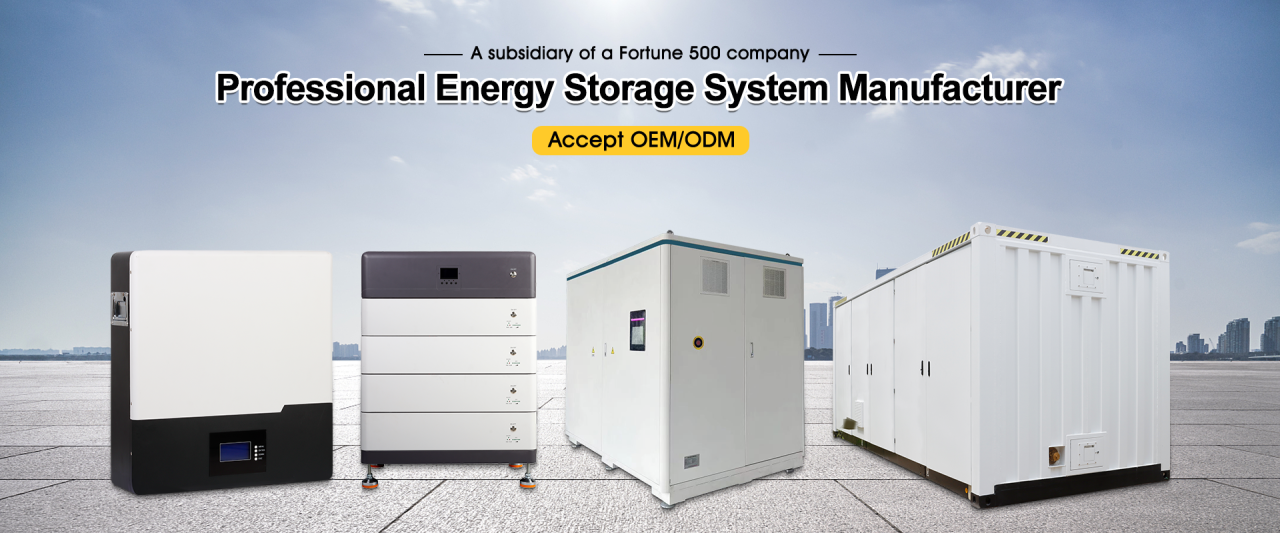
As renewable energy sources like solar and wind are intermittent, energy storage solutions are crucial for balancing supply and demand. Battery technologies, particularly lithium-ion and emerging alternatives like solid-state batteries, are at the forefront of this revolution. These technologies enable the storage of excess energy generated during peak production times for use during periods of high demand.

Recent advancements in battery technology are paving the way for more efficient and longer-lasting energy storage systems. Research into flow batteries and other innovative storage solutions is expanding the possibilities for large-scale energy storage, making it feasible to store energy for days or even weeks.


Smart grids are revolutionizing the way energy is distributed and consumed. By integrating digital technology into the electricity grid, smart grids enable real-time monitoring and management of energy resources. This leads to improved efficiency, reduced outages, and enhanced integration of renewable energy sources.
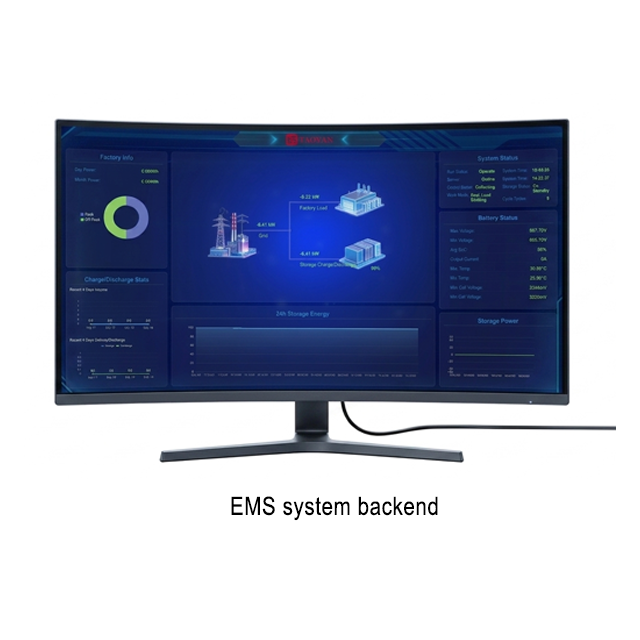
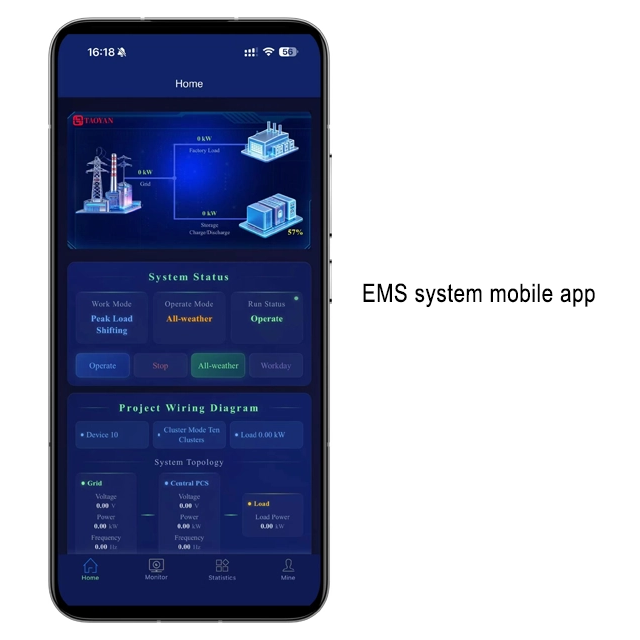
Energy management systems (EMS) are becoming essential tools for businesses and consumers alike. These systems allow users to monitor their energy consumption, optimize usage patterns, and reduce costs. By leveraging data analytics and AI, EMS can provide insights that lead to more sustainable energy practices.
Governments worldwide are implementing policies to promote the adoption of renewable energy. Incentives such as tax credits, subsidies, and renewable energy mandates are encouraging businesses and consumers to invest in clean energy solutions. These initiatives are crucial for achieving national and global climate goals.
International agreements, such as the Paris Agreement, are driving countries to commit to reducing greenhouse gas emissions. These agreements are fostering collaboration and innovation in the new energy sector, as nations work together to transition to a low-carbon economy.
The future of new energy is bright, with emerging technologies poised to reshape the landscape. Innovations in hydrogen fuel cells, carbon capture and storage, and advanced nuclear power are gaining traction. These technologies have the potential to provide clean, reliable energy while addressing the challenges of climate change.
Consumers are playing an increasingly important role in the energy transition. With the rise of electric vehicles, home solar installations, and energy-efficient appliances, individuals are taking charge of their energy consumption. This shift is driving demand for sustainable energy solutions and influencing market trends.
The new energy sector is evolving rapidly, driven by technological advancements, policy changes, and consumer demand. As we move towards a more sustainable future, the integration of renewable energy sources, energy storage solutions, and smart grid technologies will be essential. By embracing these innovations, we can create a cleaner, more resilient energy system that benefits both people and the planet.
1. What are the main types of renewable energy?
- The main types of renewable energy include solar, wind, hydroelectric, geothermal, and biomass.
2. How does energy storage work?
- Energy storage systems capture excess energy generated during peak production times and release it during periods of high demand.
3. What is a smart grid?
- A smart grid is an electricity supply network that uses digital technology to monitor and manage the transport of electricity from all generation sources to meet the varying electricity demands of end users.
4. What role do consumers play in the energy transition?
- Consumers are increasingly adopting renewable energy solutions, such as solar panels and electric vehicles, which drives demand for sustainable energy practices.
5. What are some emerging technologies in the new energy sector?
- Emerging technologies include hydrogen fuel cells, carbon capture and storage, and advanced nuclear power.