Views: 225 Author: taoyan-Jenny Publish Time: 2025-12-22 Origin: Site


Content Menu
>> Components of Rooftop Solar Systems
>> Cost Savings
>> Installation
● Maintenance of Rooftop Solar Systems
>> Cleaning
● Challenges and Considerations
● Future Trends in Rooftop Solar
>> Integration with Smart Home Technology
>> 1. How much does it cost to install a rooftop solar system?
>> 2. How long do solar panels last?
>> 3. Can I install solar panels on any type of roof?
>> 4. What happens if my solar panels produce more energy than I use?
>> 5. Do I need a battery for my rooftop solar system?
Rooftop solar energy systems have gained significant traction in recent years as a sustainable and cost-effective solution for harnessing solar power. These systems, which consist of solar panels installed on the rooftops of residential and commercial buildings, offer numerous benefits, including reduced energy costs, lower carbon footprints, and increased energy independence. This article explores the various aspects of rooftop solar, including its benefits, installation process, maintenance, and future trends.
Rooftop solar refers to photovoltaic (PV) systems that are installed on the roofs of buildings to convert sunlight into electricity. These systems can vary in size and capacity, depending on the energy needs of the building and the available roof space. Rooftop solar systems are typically grid-connected, allowing users to draw power from the grid when needed and feed excess energy back into it.
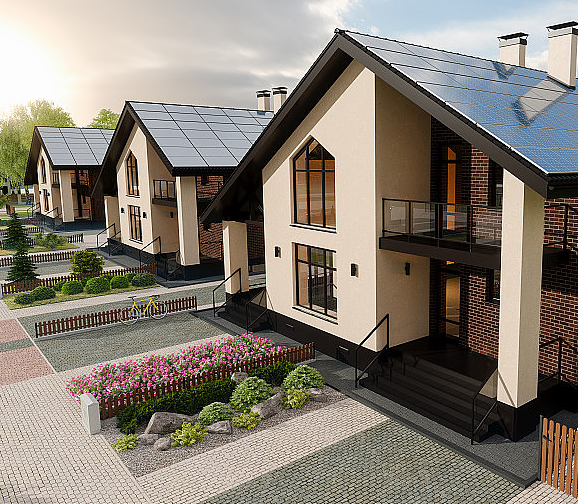
1. Solar Panels: The most visible component, solar panels are made up of photovoltaic cells that convert sunlight into electricity. They are usually mounted on rooftops at an angle to maximize sun exposure.
2. Inverters: These devices convert the direct current (DC) electricity generated by the solar panels into alternating current (AC) electricity, which is used by most household appliances.
3. Mounting Systems: These structures secure the solar panels to the roof, ensuring they are stable and positioned correctly for optimal sunlight exposure.
4. Battery Storage (Optional): Some rooftop solar systems include battery storage to store excess energy generated during the day for use at night or during cloudy days.
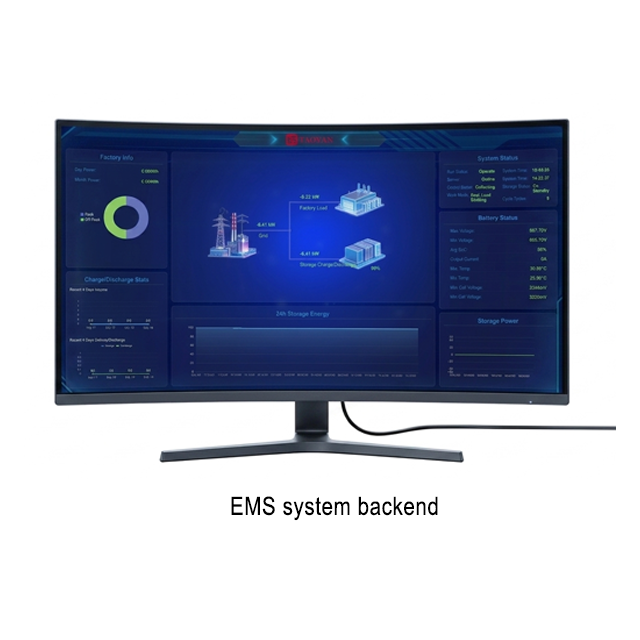
5. Monitoring Systems: These systems track the performance of the solar panels, providing data on energy production and system efficiency.
One of the primary advantages of rooftop solar is the potential for significant cost savings on electricity bills. By generating their own electricity, homeowners and businesses can reduce their reliance on grid power, leading to lower energy costs. Additionally, many regions offer incentives, such as tax credits and rebates, to encourage solar adoption, further enhancing the financial benefits.
Rooftop solar systems contribute to a reduction in greenhouse gas emissions by decreasing the reliance on fossil fuels for electricity generation. By harnessing clean, renewable energy from the sun, these systems help combat climate change and promote a more sustainable energy future.
Rooftop solar provides users with greater energy independence. By generating their own electricity, homeowners and businesses can reduce their vulnerability to fluctuations in energy prices and supply disruptions. This independence is particularly valuable during power outages or emergencies.
Installing a rooftop solar system can increase the value of a property. Many homebuyers are willing to pay a premium for homes equipped with solar energy systems, recognizing the long-term savings and environmental benefits associated with solar power.
Before installing a rooftop solar system, it is essential to assess the suitability of the roof. Factors to consider include the roof's age, condition, orientation, and shading from nearby trees or buildings. A professional solar installer can conduct a thorough evaluation to determine the best approach.
Once the roof is deemed suitable, the next step is to design the solar system. This involves calculating the energy needs of the building, determining the appropriate size and number of solar panels, and selecting the necessary components, such as inverters and mounting systems.
Before installation can begin, homeowners must obtain the necessary permits and approvals from local authorities. This process may vary depending on the location and specific regulations governing solar installations.
The installation process typically involves the following steps:
1. Mounting the Panels: Solar panels are securely mounted on the roof using the appropriate mounting systems.
2. Wiring: The panels are connected to the inverter and other components, ensuring a safe and efficient electrical system.
3. Connecting to the Grid: If the system is grid-connected, it will be linked to the local utility grid, allowing for net metering and energy exchange.
4. Final Inspection: After installation, a final inspection is conducted to ensure the system meets all safety and regulatory standards.
To ensure optimal performance, rooftop solar systems should be inspected regularly. This includes checking for any debris or obstructions on the panels, examining the wiring and connections, and monitoring the system's performance through the monitoring system.
Solar panels should be kept clean to maximize their efficiency. Dust, dirt, and bird droppings can accumulate on the surface of the panels, reducing their ability to capture sunlight. In most cases, rain will naturally clean the panels, but in areas with little rainfall or heavy pollution, periodic cleaning may be necessary.
While rooftop solar systems require minimal maintenance, it is advisable to have a professional technician conduct an annual inspection. This can help identify any potential issues early and ensure the system operates at peak efficiency.
The upfront costs of installing a rooftop solar system can be a barrier for some homeowners. However, financing options, such as solar loans and leases, can help make solar more accessible.
Some homeowners may have concerns about the appearance of solar panels on their roofs. However, advancements in solar technology have led to the development of more aesthetically pleasing options, such as solar shingles that blend seamlessly with traditional roofing materials.
Navigating the permitting and regulatory landscape can be challenging for homeowners looking to install solar systems. It is essential to work with experienced solar installers who are familiar with local regulations and can assist with the permitting process.
The future of rooftop solar is promising, with ongoing advancements in solar technology. Innovations such as higher efficiency solar panels, energy storage solutions, and smart grid integration are expected to enhance the performance and appeal of rooftop solar systems.
As awareness of climate change and the benefits of renewable energy grows, more homeowners and businesses are likely to adopt rooftop solar systems. Government incentives and falling costs will further drive this trend.
The integration of rooftop solar systems with smart home technology is becoming increasingly common. Homeowners can monitor and control their solar systems remotely, optimizing energy usage and enhancing overall efficiency.
Rooftop solar systems represent a viable and sustainable solution for harnessing solar energy. With numerous benefits, including cost savings, environmental impact, and energy independence, these systems are becoming an increasingly popular choice for homeowners and businesses alike. As technology continues to advance and awareness grows, the future of rooftop solar looks bright.
The cost of installing a rooftop solar system varies based on factors such as system size, location, and available incentives. On average, homeowners can expect to invest several thousand dollars, but financing options are available to help manage costs.
Most solar panels have a lifespan of 25 to 30 years, with many manufacturers offering warranties that guarantee performance for at least 25 years.
While many roofs are suitable for solar panel installation, factors such as roof age, condition, orientation, and shading must be considered. A professional assessment can determine if your roof is appropriate for solar.
If your solar panels generate more energy than you consume, the excess energy can be fed back into the grid, often resulting in credits on your electricity bill through net metering.
While batteries are not required, they can enhance the benefits of a rooftop solar system by storing excess energy for use during non-sunny periods, providing greater energy independence.