Views: 225 Author: taoyan-Jenny Publish Time: 2025-12-19 Origin: Site


Content Menu
● The Solar Installation Process
>> Step 1: Assessing Your Energy Needs
>> Step 2: Evaluating Your Property
>> Step 3: Choosing the Right Solar System
>> Step 4: Selecting a Solar Installer
>> Step 7: Inspection and Interconnection
● Maintenance of Solar Power Systems
Solar power installation is a transformative step towards sustainable energy use, allowing homeowners and businesses to harness the sun's energy for electricity. This guide will delve into the various aspects of solar power installation, including its benefits, the installation process, costs, maintenance, and common questions. By the end of this article, you will have a thorough understanding of solar power systems and how they can benefit you.
Solar power is energy derived from the sun's rays, which can be converted into electricity using solar panels. These panels are made up of photovoltaic cells that capture sunlight and convert it into usable electrical energy. Solar power is a renewable resource, meaning it is abundant and sustainable, making it an attractive alternative to fossil fuels.
1. Environmental Impact: Solar power significantly reduces greenhouse gas emissions, contributing to a cleaner environment. By using solar energy, you help decrease reliance on fossil fuels, which are major contributors to climate change.
2. Cost Savings: One of the most compelling reasons to install solar panels is the potential for significant savings on electricity bills. By generating your own electricity, you can reduce or even eliminate your monthly utility costs.
3. Energy Independence: Solar power allows you to generate your own energy, reducing dependence on the grid. This independence can be particularly beneficial during power outages or when energy prices spike.
4. Increased Property Value: Homes equipped with solar energy systems often see an increase in property value. Many buyers are willing to pay a premium for homes with solar installations due to the long-term savings on energy costs.
5. Government Incentives: Many governments offer tax credits, rebates, and other incentives to encourage solar adoption. These financial incentives can significantly reduce the upfront costs of installation.
Before installing solar panels, it is essential to evaluate your energy consumption. Review your electricity bills to determine your average monthly usage. This information will help you decide the size of the solar system you need. Understanding your energy needs will also assist in determining the type of solar system that best fits your lifestyle.
Not all properties are suitable for solar installation. Several factors must be considered:
- Roof Orientation: South-facing roofs typically receive the most sunlight, making them ideal for solar panel installation. East and west-facing roofs can also work, but they may produce less energy.
- Shade: Trees, buildings, and other obstructions can reduce the efficiency of solar panels. It is crucial to assess any potential shading issues that could impact energy production.
- Roof Condition: Ensure your roof is in good condition and can support the weight of solar panels. If your roof needs repairs or replacement, it is advisable to address these issues before installation.
There are several types of solar systems to consider:
- Grid-Tied Systems: These systems are connected to the utility grid, allowing you to draw power when your solar panels aren't producing enough electricity. They are the most common type of solar installation for residential properties.
- Off-Grid Systems: Ideal for remote locations, these systems operate independently of the grid and often include battery storage. Off-grid systems can provide energy security in areas where grid access is limited.
- Hybrid Systems: These combine grid-tied and off-grid systems, providing flexibility and backup power. Hybrid systems can store excess energy generated during the day for use at night or during outages.
Choosing a qualified solar installer is crucial for a successful installation. Look for installers with certifications, such as those from the North American Board of Certified Energy Practitioners (NABCEP). Check reviews and ask for references to ensure you select a reputable company. A good installer will provide a detailed proposal, including system design, costs, and timelines.
Before installation can begin, you will need to obtain the necessary permits from your local government. This process may vary by location, so it is essential to check local regulations. Your solar installer can often assist with this process, ensuring that all required permits are secured.
The installation process typically takes one to three days, depending on the system size and complexity. The installer will mount the solar panels, connect them to the inverter, and ensure everything is functioning correctly. During installation, safety protocols must be followed to protect both the workers and the property.
After installation, your system will need to be inspected by local authorities to ensure it meets safety and building codes. Once approved, your system can be connected to the grid. This step may involve coordination with your utility company to ensure proper interconnection.
The cost of solar installation can vary widely based on several factors, including:
- System Size: Larger systems will cost more but may provide greater savings over time. The average cost of a residential solar installation can range from $24,000 to $36,000 before tax credits and incentives.
- Panel Type: Monocrystalline panels are typically more efficient but also more expensive than polycrystalline panels. The choice of panel type can significantly impact the overall cost of the installation.
- Installation Complexity: Roof type and condition can affect installation costs. For example, a flat roof may require additional mounting equipment, increasing the overall expense.
Many governments offer financial incentives to reduce the cost of solar installation. These can include:
- Tax Credits: Federal and state tax credits can significantly lower your upfront costs. It is essential to research available incentives in your area.
- Rebates: Some local governments and utilities offer rebates for solar installations, further reducing the financial burden.
- Financing Options: Solar loans and leases can make solar more affordable by spreading costs over time. These options allow homeowners to install solar systems with little to no upfront costs.
Solar power systems require minimal maintenance. Regular cleaning of the panels to remove dust and debris is essential for optimal performance. Most systems come with warranties that cover repairs for a specified period. It is advisable to have your system inspected periodically to ensure it is functioning correctly.
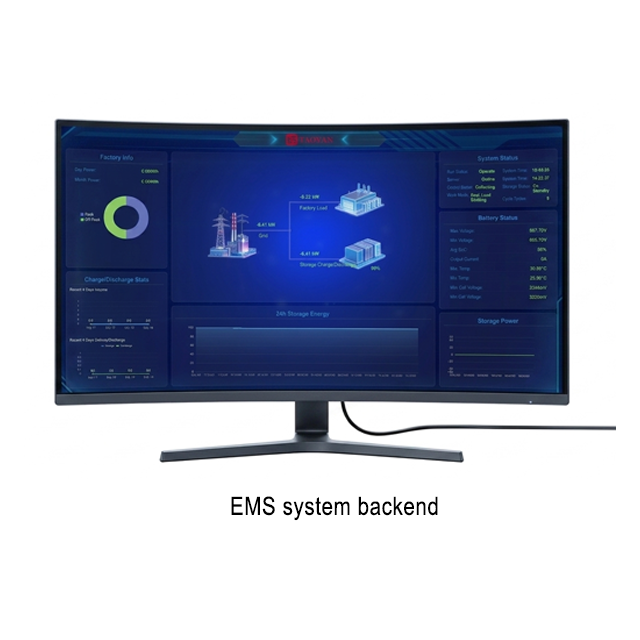
Many solar systems include monitoring equipment that allows you to track energy production. This can help identify any issues early, ensuring your system operates efficiently. Monitoring systems can provide real-time data on energy generation, allowing you to optimize your energy usage.
Solar power installation is a viable and sustainable energy solution for homeowners and businesses alike. By understanding the installation process, costs, and maintenance requirements, you can make an informed decision about whether solar power is right for you. With the added benefits of environmental impact and potential cost savings, solar energy is an investment worth considering.
1. What are the main benefits of installing solar panels?
- Solar panels reduce electricity bills, increase property value, and contribute to environmental sustainability.
2. How long does the installation process take?
- The installation typically takes one to three days, depending on the system size and complexity.
3. What factors affect the cost of solar installation?
- The cost is influenced by system size, panel type, installation complexity, and available financial incentives.
4. Do I need permits to install solar panels?
- Yes, you will need to obtain the necessary permits from your local government before installation.
5. How much maintenance do solar panels require?
- Solar panels require minimal maintenance, primarily cleaning and periodic inspections to ensure optimal performance.