
Views: 235 Author: taoyan-Jenny Publish Time: 2025-12-29 Origin: Site


Content Menu
● What is a Household Stacked Energy Storage System?
● Advantages of Household Stacked Energy Storage Systems
>> 4. Scalability and Flexibility
>> 6. Improved Energy Management
>> 7. Long Lifespan and Durability
● How Do Household Stacked Energy Storage Systems Work?
>> Energy Usage
As the world increasingly turns to renewable energy sources, household stacked energy storage systems have become essential for managing energy consumption and enhancing energy independence. These systems allow homeowners to store energy generated from renewable sources, such as solar panels, and use it when needed. This article explores the advantages of household stacked energy storage systems, their functionality, and their role in promoting sustainable living.

A household stacked energy storage system consists of multiple battery modules stacked together to increase energy capacity and efficiency. These systems are designed to be modular, allowing homeowners to expand their energy storage capabilities as needed. This flexibility makes them an attractive option for those looking to optimize their energy use and reduce reliance on the grid.
1. Battery Modules: The core of the system, these modules store energy for later use.
2. Inverter: Converts stored DC energy into AC energy for household use.
3. Control System: Manages energy flow between the battery, inverter, and home appliances.
4. Monitoring System: Provides real-time data on energy usage and storage levels.
One of the most significant benefits of stacked energy storage systems is the increased energy independence they provide. Homeowners can generate and store their own energy, reducing reliance on the grid. This is particularly beneficial in areas prone to power outages or where electricity costs are high.
By storing energy generated during off-peak hours or from renewable sources, homeowners can significantly reduce their electricity bills. Stacked energy storage systems allow users to take advantage of lower energy rates and avoid peak demand charges.
Using renewable energy sources and reducing reliance on fossil fuels contributes to lower carbon emissions. Stacked energy storage systems facilitate the use of clean energy, promoting a more sustainable lifestyle.
The modular design of stacked energy storage systems allows homeowners to start with a smaller system and expand as their energy needs grow. This scalability makes it easier to adapt to changing energy requirements without significant upfront investments.
Stacked energy storage systems provide backup power during outages, ensuring that essential appliances remain operational. This reliability is crucial for households that depend on electricity for heating, cooling, and medical devices.
With advanced monitoring systems, homeowners can track their energy usage in real-time. This data allows for better energy management, helping users optimize their consumption and storage strategies.
Modern stacked energy storage systems are designed for longevity, often featuring high cycle life and robust construction. This durability ensures that homeowners can rely on their systems for many years, making them a worthwhile investment.
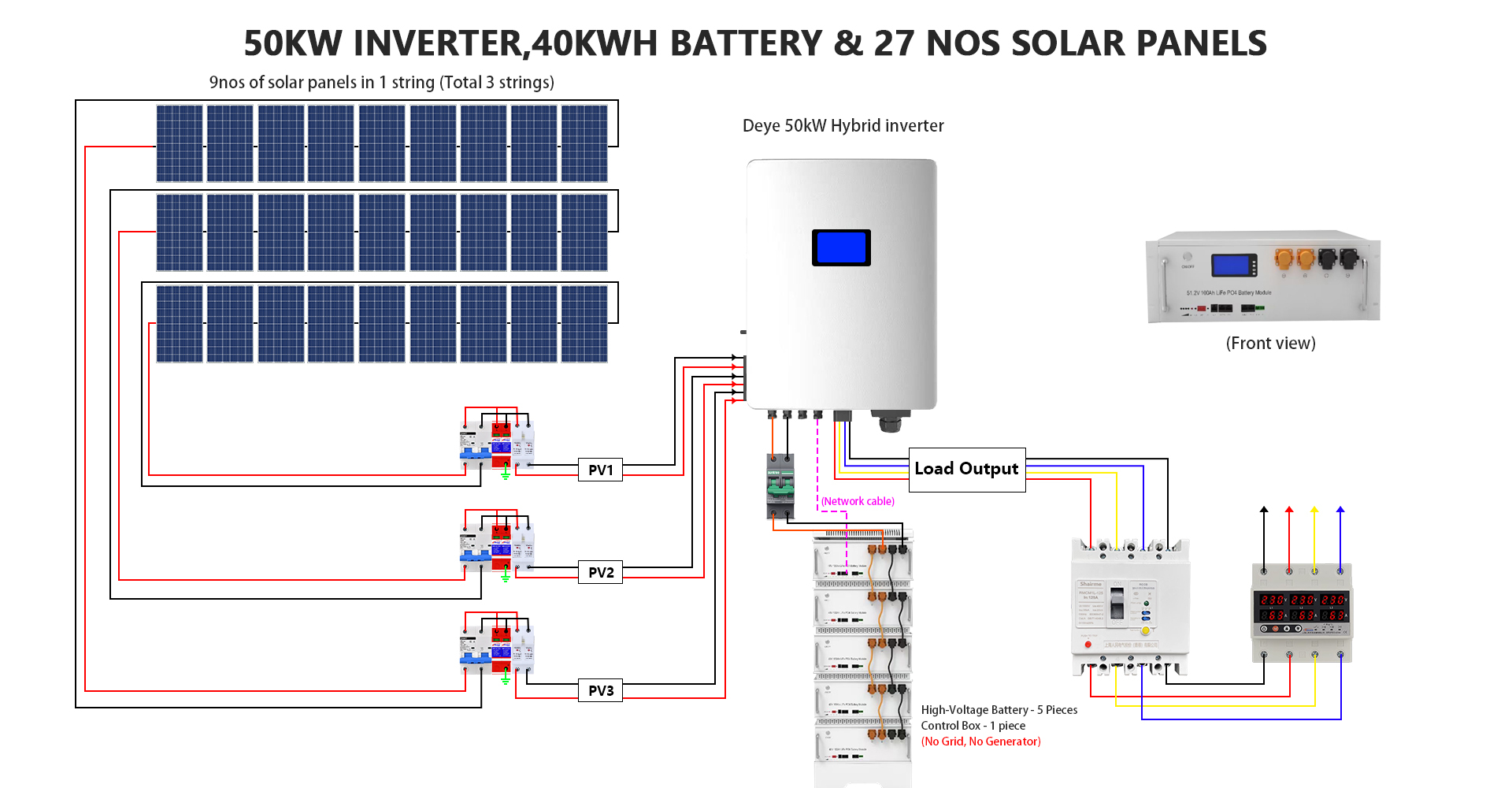
Household stacked energy storage systems typically work in conjunction with renewable energy sources, such as solar panels. During the day, solar panels generate electricity, which can be used immediately or stored in the battery modules for later use.
When energy is generated, the control system directs it to the battery modules. The inverter converts the stored DC energy into AC energy, making it usable for household appliances.
Homeowners can draw from the stored energy during peak demand times or when renewable energy generation is low. This flexibility allows for efficient energy use and cost savings.
Household stacked energy storage systems represent a significant advancement in energy management for residential users. By providing energy independence, cost savings, and environmental benefits, these systems are becoming increasingly popular among homeowners. As technology continues to evolve, the potential for stacked energy storage systems to enhance energy efficiency and sustainability will only grow.
1. What is the lifespan of a stacked energy storage system?
- Most modern systems have a lifespan of 10-15 years, depending on usage and maintenance.
2. Can I install a stacked energy storage system myself?
- While some systems are designed for easy installation, it is recommended to hire a professional to ensure safety and compliance with local regulations.
3. How much energy can a stacked energy storage system store?
- The storage capacity varies by model, but many systems can store between 5 kWh to 20 kWh of energy.
4. Are stacked energy storage systems safe?
- Yes, when installed correctly, they are designed with safety features to prevent overheating and other hazards.
5. What are the maintenance requirements for these systems?
- Regular monitoring and occasional maintenance checks are recommended to ensure optimal performance.


