Views: 309 Author: taoyan-Jenny Publish Time: 2026-01-14 Origin: Site


Content Menu
● Understanding Solar and Battery Systems
>> What is a Solar and Battery System?
>> Key Components of a Solar and Battery System
● Benefits of Solar and Battery Systems
● How Solar and Battery Systems Work
>> The Energy Generation Process
● Installation of Solar and Battery Systems
● Future Trends in Solar and Battery Systems
>> Innovations in Battery Technology
>> Integration with Smart Grids
>> 1. How much does a solar and battery system cost?
>> 2. Can I go off-grid with a solar and battery system?
>> 3. How long do solar batteries last?
>> 4. Do I need a permit to install a solar and battery system?
>> 5. Can I sell excess energy back to the grid?
In recent years, the integration of solar power with battery storage systems has gained significant traction as a sustainable energy solution. This combination not only enhances energy independence but also provides a reliable backup during power outages. In this article, we will delve into the intricacies of solar and battery systems, exploring their components, benefits, installation processes, and future trends.
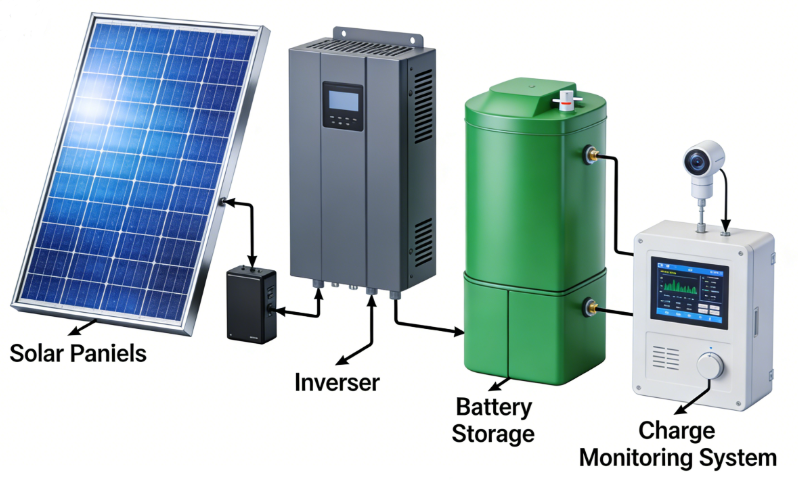
A solar and battery system consists of solar panels that convert sunlight into electricity and a battery storage system that stores excess energy for later use. This setup allows homeowners and businesses to utilize solar energy even when the sun is not shining, such as during the night or on cloudy days.
1. Solar Panels: These are the primary components that capture sunlight and convert it into electricity.
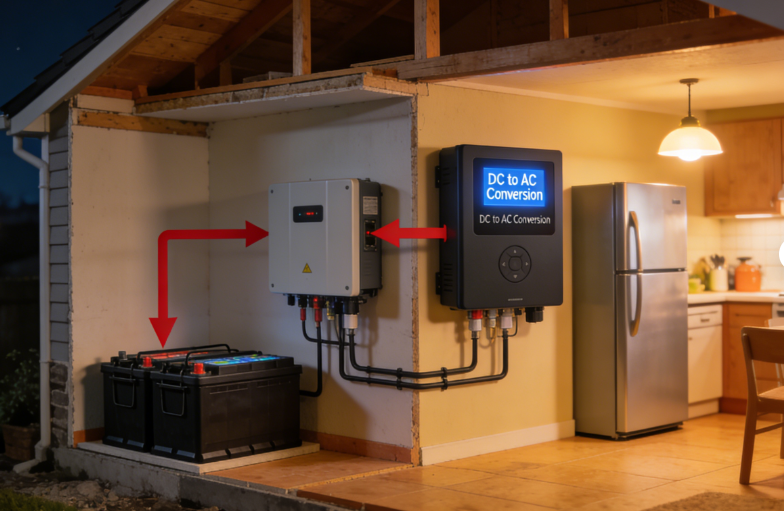
2. Inverter: This device converts the direct current (DC) generated by solar panels into alternating current (AC), which is used by most household appliances.
3. Battery Storage: Batteries store excess energy generated during the day for use at night or during power outages.
4. Charge Controller: This component regulates the voltage and current coming from the solar panels to the batteries, preventing overcharging.
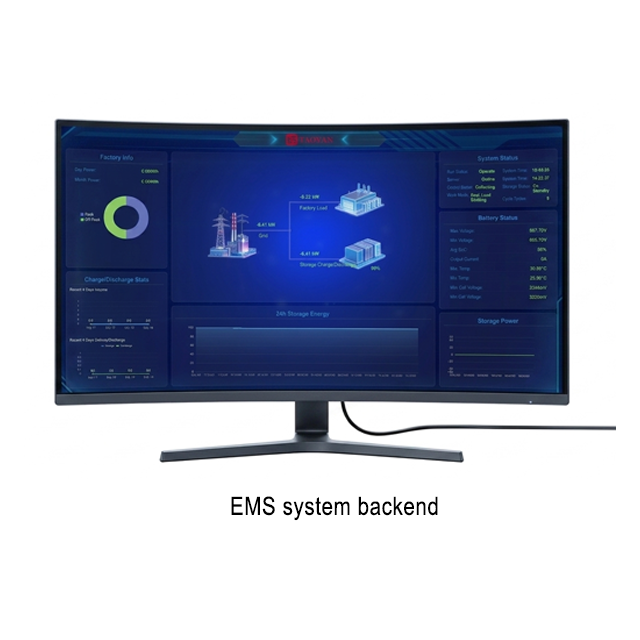
5. Monitoring System: This allows users to track energy production and consumption in real-time.
One of the most significant advantages of solar and battery systems is the ability to generate and store your own energy. This reduces reliance on the grid and protects against rising electricity costs.
By utilizing stored solar energy during peak hours, homeowners can significantly reduce their electricity bills. Additionally, many regions offer incentives for solar installations, further enhancing cost savings.
Solar energy is a clean, renewable resource that reduces carbon emissions. By integrating battery storage, users can maximize their use of renewable energy, contributing to a more sustainable future.
In the event of a power outage, a solar and battery system can provide backup power, ensuring that essential appliances remain operational.

1. Solar Energy Capture: Solar panels convert sunlight into electricity.
2. Energy Storage: Excess energy is stored in batteries for later use.
3. Energy Consumption: When needed, stored energy is converted back to AC by the inverter and used to power home appliances.
Solar and battery systems can be configured in various ways, including:
- Grid-Tied Systems: These systems are connected to the utility grid and can sell excess energy back to the grid.
- Off-Grid Systems: These systems operate independently of the grid, relying solely on solar energy and battery storage.
1. Site Assessment: A professional will evaluate the property to determine the best placement for solar panels and batteries.
2. System Design: A customized system is designed based on energy needs and available space.
3. Installation: Solar panels, batteries, and other components are installed, ensuring compliance with local regulations.
4. System Testing: After installation, the system is tested to ensure it operates correctly.
Regular maintenance is essential for optimal performance. This includes:
- Monitoring battery health and performance.
- Cleaning solar panels to maximize efficiency.
- Checking connections and system components for wear and tear.
The future of solar and battery systems is promising, with ongoing advancements in battery technology. Innovations such as solid-state batteries are expected to offer higher energy densities, faster charging times, and improved safety.
As smart grid technology evolves, solar and battery systems will become increasingly integrated into the energy landscape. This integration will allow for better energy management, demand response, and enhanced grid stability.
Solar and battery systems represent a significant step towards a sustainable energy future. By harnessing the sun's energy and storing it for later use, individuals and businesses can achieve greater energy independence, reduce costs, and contribute to environmental sustainability. As technology continues to advance, the potential for solar and battery systems will only grow, making them an essential component of our energy infrastructure.
The cost of solar and battery systems can vary widely based on capacity and installation complexity, typically ranging from $6,000 to $23,000.
Yes, solar and battery systems can be configured to operate independently of the grid, providing energy for homes in remote locations.
Most lithium-ion solar batteries have a lifespan of 10 to 15 years, depending on usage and maintenance.
Yes, most regions require permits for solar panel and battery installations to ensure compliance with local building codes and regulations.
In many areas, homeowners can sell excess energy generated by their solar systems back to the grid, often through net metering programs.