Views: 213 Author: taoyan-Jenny Publish Time: 2026-01-13 Origin: Site


Content Menu
● H2: Overview of Battery Energy Storage Systems
>> H3: Types of Battery Technologies
● H2: Market Trends in Battery Energy Storage Systems
>> H3: Technological Innovations
● H2: Key Players in the Battery Energy Storage Market
● H2: Challenges Facing the Battery Energy Storage Market
● H2: Future Outlook for Battery Energy Storage Manufacturers
● H2: Frequently Asked Questions
>> H3: 1. What are the main types of battery technologies used in energy storage systems?
>> H3: 2. How is the battery energy storage market expected to grow in the coming years?
>> H3: 3. What challenges do battery energy storage manufacturers face?
>> H3: 4. Who are the leading manufacturers in the battery energy storage market?
>> H3: 5. What future trends are expected in the battery energy storage market?
The global energy landscape is undergoing a significant transformation, driven by the urgent need for sustainable energy solutions. Battery energy storage systems (BESS) have emerged as a pivotal technology in this transition, enabling the integration of renewable energy sources and enhancing grid stability. This article explores the current market trends among battery energy storage system manufacturers, highlighting key players, technological advancements, and future prospects.
Battery energy storage systems are designed to store energy for later use, providing a buffer between energy supply and demand. They play a crucial role in stabilizing the grid, especially as the share of intermittent renewable energy sources like solar and wind increases.
1. Lithium-Ion Batteries: Currently dominate the market due to their high energy density and decreasing costs.
2. Lead-Acid Batteries: Traditionally used but are being phased out in favor of more efficient technologies.
3. Flow Batteries: Offer longer discharge times and are suitable for large-scale applications.4. Solid-State Batteries: Emerging technology that promises higher safety and energy density.
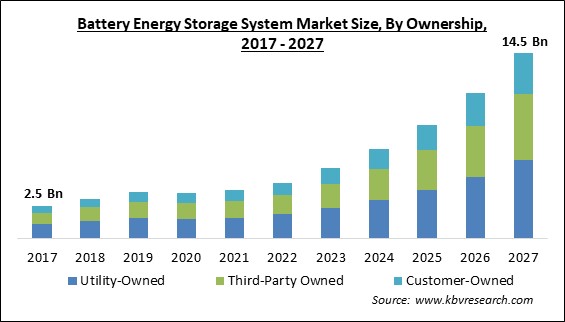

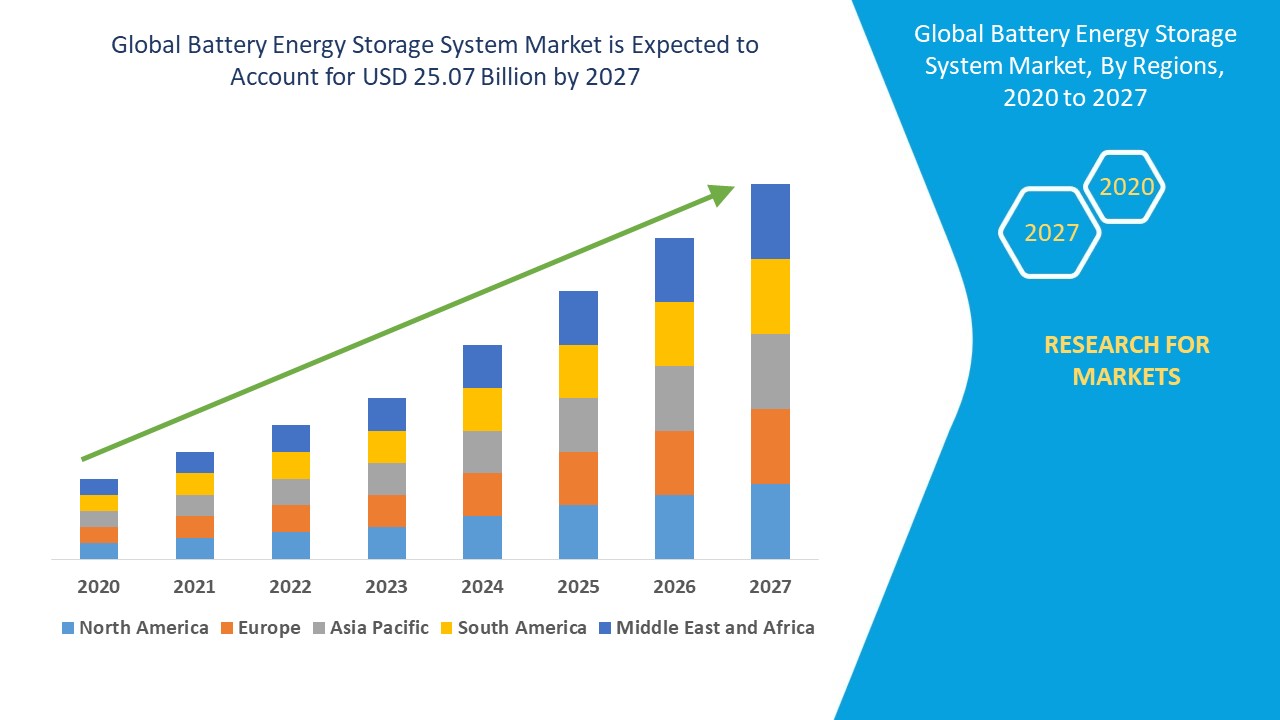
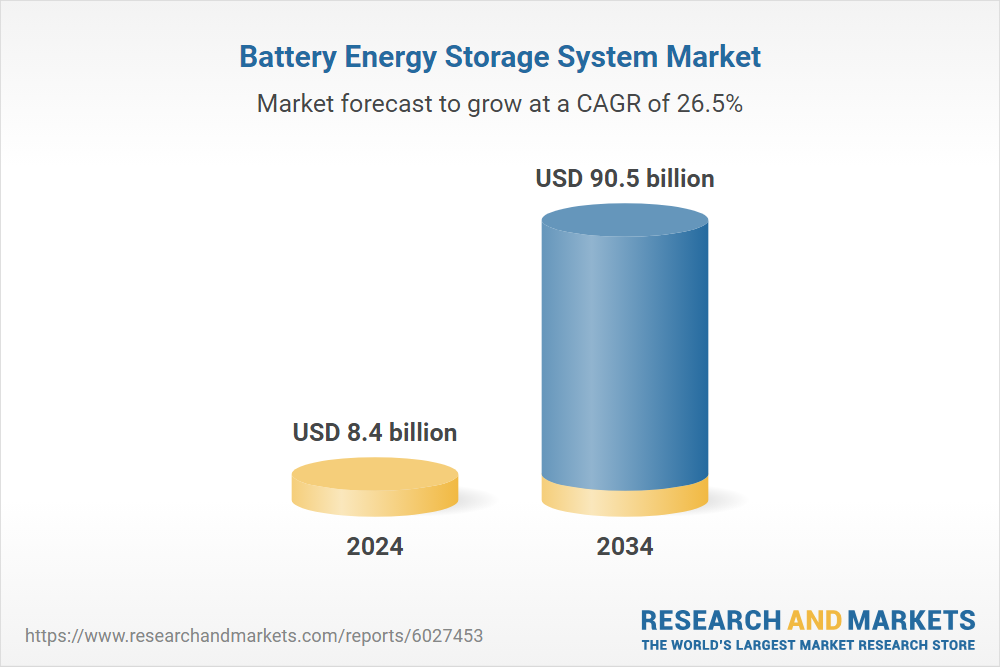
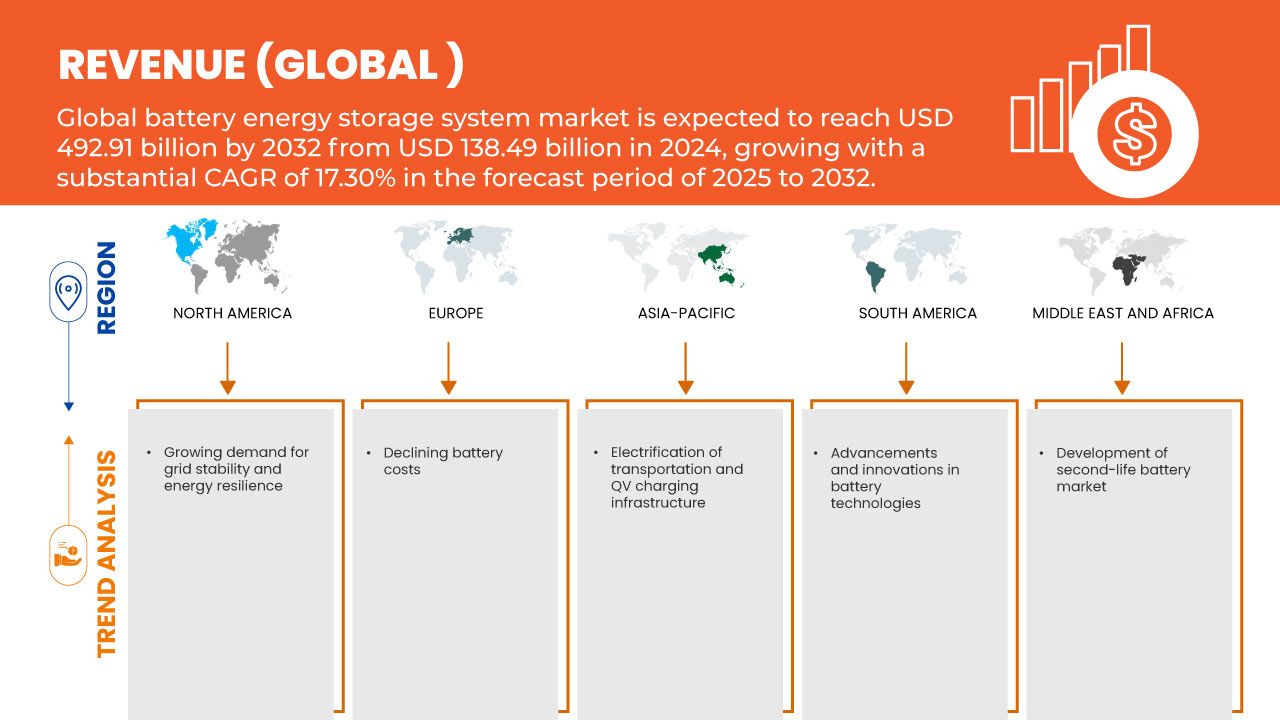
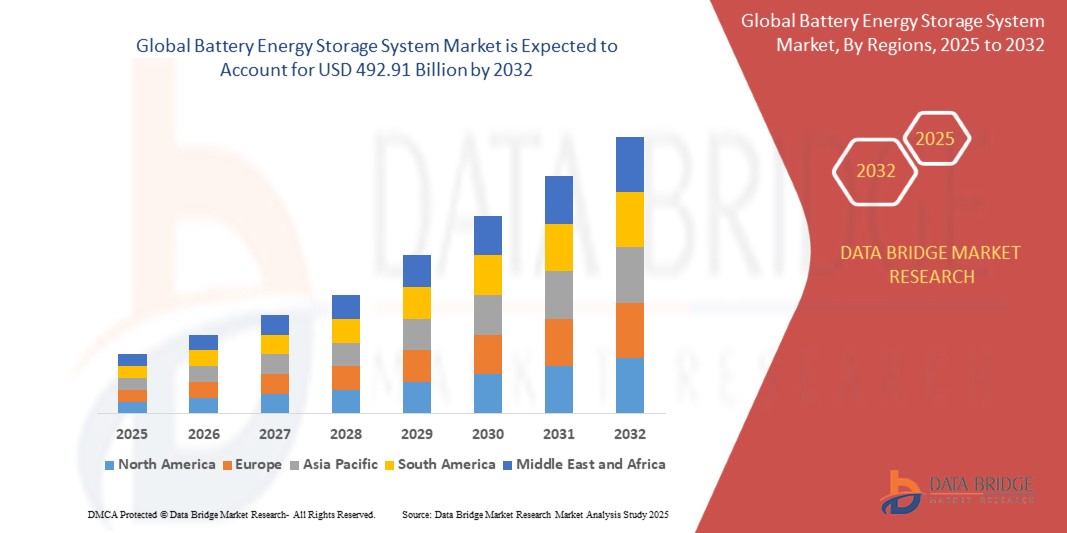
The battery energy storage market is projected to grow significantly, with estimates suggesting it could reach USD 25.07 billion by 2027. This growth is driven by several factors:
- Increased Demand for Renewable Energy: As countries strive to meet climate goals, the demand for energy storage solutions to support renewable energy integration is surging.
- Falling Battery Costs: The cost of lithium-ion batteries has decreased dramatically, making energy storage more accessible.
- Government Incentives: Many governments are providing financial incentives to promote the adoption of energy storage systems.

Manufacturers are continuously innovating to improve the efficiency and reliability of battery energy storage systems. Key trends include:
- Hybrid Systems: Combining different battery technologies to optimize performance.
- Longer Duration Storage: Development of systems capable of storing energy for extended periods, essential for balancing supply and demand.
- Smart Energy Management: Integration of AI and IoT technologies to enhance the management of energy storage systems.
1. Tesla Energy: Known for its Powerwall and Powerpack systems, Tesla is a leader in residential and commercial energy storage.
2. LG Chem: A major player in lithium-ion battery production, LG Chem provides solutions for various applications.
3. BYD Company: Offers a wide range of energy storage solutions, focusing on both residential and utility-scale applications.
4. Samsung SDI: A significant contributor to the lithium-ion battery market, with a strong focus on innovation and efficiency.
Despite the promising growth, the battery energy storage market faces several challenges:
- High Upfront Costs: The initial investment for battery systems can be substantial, deterring potential customers.
- Technological Limitations: While lithium-ion batteries are prevalent, their performance can degrade over time, leading to concerns about longevity and reliability.
- Regulatory Hurdles: Navigating the regulatory landscape can be complex, impacting the deployment of energy storage systems.
The future of battery energy storage systems looks promising, with several trends expected to shape the market:
- Increased Adoption of Electric Vehicles (EVs): The rise of EVs will drive demand for battery storage solutions, as they require efficient energy management systems.
- Integration with Smart Grids: As smart grid technology advances, battery storage will play a crucial role in enhancing grid resilience and efficiency.
- Sustainability Initiatives: Manufacturers are increasingly focusing on sustainable practices, including recycling and the use of eco-friendly materials in battery production.
Battery energy storage systems are at the forefront of the energy transition, providing essential support for renewable energy integration and grid stability. As the market continues to grow, manufacturers are innovating to meet the evolving demands of consumers and the energy sector. The future holds significant potential for battery energy storage, driven by technological advancements and a global push towards sustainable energy solutions.
The main types include lithium-ion, lead-acid, flow batteries, and solid-state batteries.
The market is projected to reach USD 25.07 billion by 2027, driven by increased demand for renewable energy and falling battery costs.
Challenges include high upfront costs, technological limitations, and regulatory hurdles.
Key players include Tesla Energy, LG Chem, BYD Company, and Samsung SDI.
Emerging trends include increased EV adoption, integration with smart grids, and a focus on sustainability.