
Views: 204 Author: taoyan-Jenny Publish Time: 2026-01-23 Origin: Site


Content Menu
● H2: Understanding Battery Cell Prices
>> H3: Factors Influencing Battery Prices
>> H3: Historical Price Trends
● H2: Market Trends in Energy Storage
>> H3: Growing Demand for Energy Storage
● H2: Technological Advancements
>> H3: Innovations in Battery Technology
>> H3: Supply Chain Resilience
>> H3: Predictions for Battery Prices
The energy storage industry is currently facing significant challenges due to the rising prices of battery cells. As the demand for renewable energy sources increases, the cost of battery cells, particularly lithium-ion batteries, has become a critical factor in determining the feasibility and scalability of energy storage solutions. This article explores the implications of these rising prices on the energy storage sector, focusing on market trends, technological advancements, and the overall economic landscape.
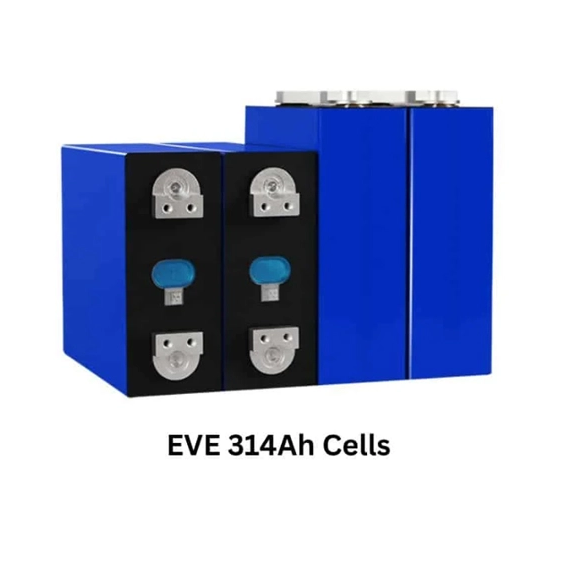
Battery prices are influenced by several key factors, including:
- Raw Material Costs: The prices of lithium, cobalt, and nickel have seen significant fluctuations, directly impacting battery production costs.
- Manufacturing Capacity: Overcapacity in battery production, particularly in China, has led to competitive pricing, but recent supply chain disruptions are causing prices to rise.
- Technological Innovations: Advances in battery technology, such as the development of lithium iron phosphate (LFP) batteries, are changing the cost dynamics in the industry.
Historically, battery prices have been on a downward trend, with significant reductions observed over the past decade. However, recent market conditions have led to a reversal in this trend, with prices beginning to rise again.

The demand for energy storage solutions is expected to grow exponentially, driven by:
- Increased Renewable Energy Generation: As more solar and wind projects come online, the need for storage to manage intermittent supply becomes critical.
- Electric Vehicle (EV) Adoption: The rise in EVs is creating a parallel demand for battery storage solutions, further straining supply chains.
The rising costs of battery cells are leading to increased overall project costs for energy storage systems. This can impact:
- Project Viability: Higher costs may deter investment in new projects, slowing the growth of the energy storage market.
- Consumer Prices: As companies pass on costs to consumers, the price of energy storage solutions for residential and commercial use may rise.
Despite rising prices, technological advancements are helping to mitigate some of the impacts:
- Lithium Iron Phosphate (LFP) Batteries: These batteries are becoming more popular due to their lower cost and improved safety compared to traditional lithium-ion batteries.
- Solid-State Batteries: Research into solid-state technology promises to deliver higher energy densities and safety, potentially offsetting some cost increases.
The energy storage industry is also focusing on building more resilient supply chains to manage price volatility. This includes:
- Diversifying Suppliers: Companies are looking beyond traditional suppliers to reduce dependency on specific regions, particularly China.
- Investing in Local Manufacturing: There is a push for local production of battery components to mitigate supply chain risks.
Analysts predict that while battery prices may stabilize in the short term, long-term trends suggest continued volatility due to:
- Raw Material Supply Constraints: As demand for lithium and other materials increases, prices are likely to rise.
- Policy Changes: Government regulations and incentives can significantly impact market dynamics, influencing both supply and demand.
Government policies aimed at promoting renewable energy and energy storage can help offset some of the cost increases. Initiatives may include:
- Subsidies for Energy Storage Projects: Financial incentives can make projects more viable despite rising costs.
- Investment in Research and Development: Funding for new technologies can lead to breakthroughs that reduce costs in the long run.
The rising prices of battery cells present both challenges and opportunities for the energy storage industry. While increased costs may hinder some projects, technological advancements and supportive policies can help navigate these challenges. The future of energy storage will depend on how effectively the industry adapts to these changing dynamics.
1. What are the main factors driving battery cell prices?
- Raw material costs, manufacturing capacity, and technological advancements are the primary factors influencing battery prices.
2. How do rising battery prices affect energy storage projects?
- Higher battery prices can increase overall project costs, potentially making some projects economically unviable.
3. What technological advancements are helping to mitigate rising costs?
- Innovations such as lithium iron phosphate batteries and solid-state technology are promising to reduce costs and improve performance.
4. What is the future outlook for battery prices?
- Analysts predict continued volatility in battery prices due to raw material supply constraints and changing market dynamics.
5. How can government policies impact the energy storage market?
- Supportive policies, such as subsidies and investment in R&D, can help offset rising costs and promote the growth of energy storage solutions.


