Views: 203 Author: taoyan-Jenny Publish Time: 2026-02-05 Origin: Site


Content Menu
● Understanding the Raw Material Landscape
>> Key Raw Materials in Battery Production
>> Price Trends and Market Dynamics
● Technological Advancements in Response to Rising Costs
>> Innovations in Battery Chemistry
>> Enhanced Recycling Techniques
● The Economic Impact of Rising Battery Costs
● Future Outlook: Navigating Challenges and Opportunities
>> Strategic Partnerships and Collaborations
>> Government Policies and Support
The electric vehicle (EV) industry is undergoing a significant transformation, driven by the increasing demand for sustainable transportation solutions. However, this growth is accompanied by challenges, particularly the rising costs of raw materials used in battery cell production. This article explores the implications of these rising costs on technological advancements within the EV sector, focusing on how manufacturers are adapting to maintain competitiveness and innovation.
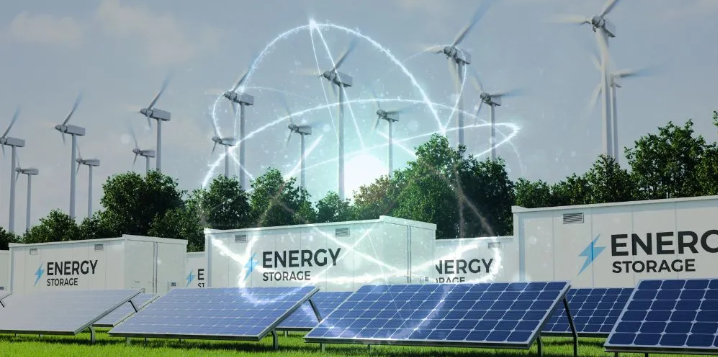
The primary raw materials for lithium-ion batteries include lithium, cobalt, nickel, and manganese. Each of these materials plays a crucial role in determining the performance, efficiency, and cost of battery cells. As demand for electric vehicles surges, the competition for these resources intensifies, leading to price volatility.
Over the past few years, the prices of these raw materials have seen unprecedented increases. For instance, lithium prices have skyrocketed due to supply chain constraints and increased demand from the EV market. This trend is expected to continue, impacting the overall cost structure of battery production.
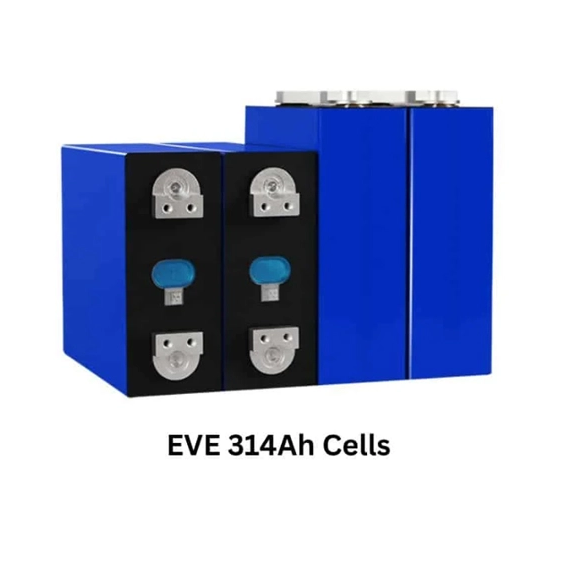
To mitigate the impact of rising raw material costs, manufacturers are exploring alternative battery chemistries. Lithium Iron Phosphate (LFP) batteries, for example, have gained popularity due to their lower reliance on expensive materials like cobalt. These batteries offer a cost-effective solution while maintaining safety and longevity.
As raw material prices rise, the importance of recycling becomes paramount. Advanced recycling technologies are being developed to recover valuable materials from used batteries, reducing the need for new raw materials. This not only helps in cost reduction but also addresses environmental concerns associated with mining.
The EV industry is also witnessing innovations in supply chain management. Companies are diversifying their supply sources to reduce dependency on specific regions, particularly those prone to geopolitical tensions. This strategic shift aims to stabilize raw material availability and pricing.
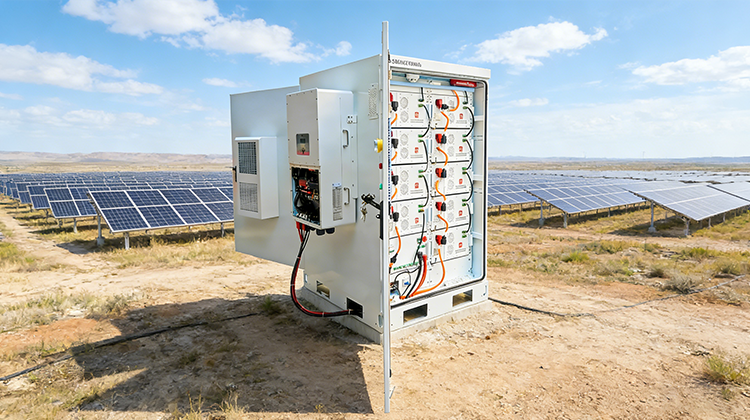
The rising costs of raw materials directly translate to higher production costs for battery manufacturers. This increase can lead to higher prices for electric vehicles, potentially slowing down adoption rates among consumers. Manufacturers are now faced with the challenge of balancing cost and performance to remain competitive.
As battery prices rise, consumer sensitivity to EV pricing becomes more pronounced. While many consumers are willing to invest in electric vehicles for their environmental benefits, the upfront costs remain a significant barrier. Manufacturers must find ways to keep prices competitive while ensuring profitability.
To navigate the challenges posed by rising raw material costs, manufacturers are increasingly forming strategic partnerships. Collaborations with mining companies and research institutions can lead to innovative solutions for sourcing and processing raw materials more efficiently.
Government policies play a crucial role in shaping the future of the EV industry. Incentives for domestic production of raw materials and investments in recycling technologies can help stabilize prices and ensure a sustainable supply chain.
The rising costs of battery cell raw materials present both challenges and opportunities for the electric vehicle industry. As manufacturers adapt through technological advancements, innovative supply chain strategies, and strategic partnerships, the industry can continue to thrive despite these economic pressures. The future of electric vehicles will depend on the ability to balance cost, performance, and sustainability in an ever-evolving market landscape.
1. What are the main raw materials used in battery production?
- The primary raw materials include lithium, cobalt, nickel, and manganese.
2. How do rising raw material prices affect electric vehicle costs?
- Increased raw material prices lead to higher production costs, which can result in higher prices for electric vehicles.
3. What alternative battery technologies are being explored?
- Lithium Iron Phosphate (LFP) batteries are gaining popularity due to their lower reliance on expensive materials.
4. How important is recycling in the battery industry?
- Recycling is crucial for recovering valuable materials, reducing the need for new raw materials, and addressing environmental concerns.
5. What role do government policies play in the EV market?
- Government policies can provide incentives for domestic production and investments in recycling technologies, helping stabilize prices and ensure a sustainable supply chain.