
Views: 303 Author: taoyan-Jenny Publish Time: 2026-02-06 Origin: Site


Content Menu
● What is an Energy Storage System?
>> How Energy Storage Systems Work
● Applications of Energy Storage Systems
>> 1. Grid Stability and Management
>> 2. Renewable Energy Integration
>> 5. Electric Vehicle Charging
● Benefits of Energy Storage Systems
>> 1. Enhanced Energy Efficiency
>> 2. Reduced Carbon Footprint
>> 3. Increased Energy Security
>> 4. Flexibility and Scalability
>> 5. Support for Electric Grid Infrastructure
● Technologies Used in Energy Storage Systems
>> 4. Compressed Air Energy Storage
>> 1. What are the main types of energy storage systems?
>> 2. How do energy storage systems improve grid stability?
>> 3. Can energy storage systems help reduce energy costs?
>> 4. What role do energy storage systems play in renewable energy integration?
>> 5. Are energy storage systems environmentally friendly?
Energy storage systems (ESS) play a crucial role in modern energy management, enabling the efficient use of renewable energy sources and enhancing grid stability. This article explores the various applications of energy storage systems, their benefits, and the technologies involved.
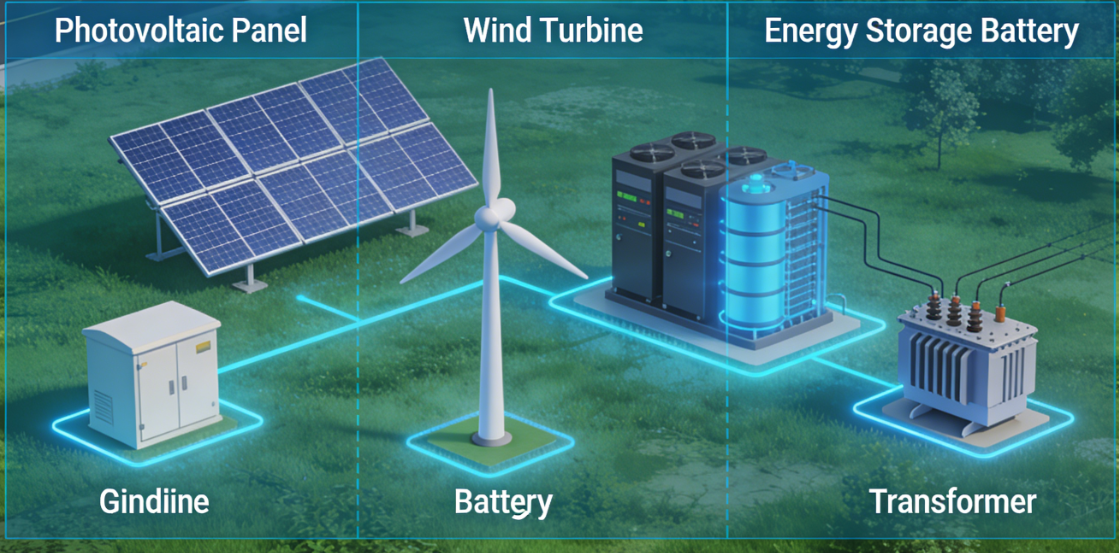
An energy storage system is a technology that captures energy produced at one time for use at a later time. This can include various forms of energy, such as electrical, thermal, or mechanical energy. The most common type of energy storage system is the battery energy storage system (BESS), which uses electrochemical processes to store energy.
Energy storage systems work by converting energy into a storable form. For example, during periods of low demand, excess energy generated from renewable sources like solar or wind can be stored in batteries. When demand increases, this stored energy can be released back into the grid or used directly.

Energy storage systems have a wide range of applications across various sectors. Here are some of the key areas where they are utilized:
Energy storage systems help stabilize the grid by balancing supply and demand. They can store excess energy during low demand periods and release it during peak demand, thus reducing the strain on the grid.
With the increasing reliance on renewable energy sources, energy storage systems are essential for managing the intermittent nature of these resources. They allow for the smooth integration of solar and wind energy into the grid.
Energy storage systems provide backup power during outages, ensuring that critical systems remain operational. This is particularly important for hospitals, data centers, and other facilities that require uninterrupted power.
By storing energy during off-peak hours when electricity prices are lower, consumers can save on energy costs. This is especially beneficial for businesses with high energy demands.
Energy storage systems can be used to charge electric vehicles (EVs) during off-peak hours, providing a cost-effective and efficient charging solution.
Energy storage systems are integral to the development of microgrids, which can operate independently from the main grid. This enhances energy resilience and allows for localized energy management.

The benefits of energy storage systems extend beyond just energy management. Here are some of the key advantages:
Energy storage systems improve overall energy efficiency by allowing for better management of energy resources. This leads to reduced waste and optimized energy use.
By facilitating the use of renewable energy sources, energy storage systems contribute to a reduction in greenhouse gas emissions, helping combat climate change.
Energy storage systems enhance energy security by providing backup power and reducing dependence on fossil fuels. This is particularly important in regions prone to natural disasters or energy supply disruptions.
Energy storage systems can be scaled to meet the specific needs of different applications, from residential to industrial use. This flexibility makes them suitable for a wide range of energy management strategies.
By providing ancillary services such as frequency regulation and voltage support, energy storage systems help maintain the reliability and stability of the electric grid.
Several technologies are employed in energy storage systems, each with its own advantages and applications:
Battery storage, particularly lithium-ion batteries, is the most common form of energy storage. They are widely used due to their high energy density, efficiency, and decreasing costs.
Pumped hydro storage involves moving water between two reservoirs at different elevations. During periods of low demand, excess energy is used to pump water uphill, and during peak demand, the water is released to generate electricity.
Flywheel energy storage systems store energy in the form of kinetic energy. They are capable of rapid charge and discharge cycles, making them suitable for applications requiring quick response times.
Compressed air energy storage systems store energy by compressing air in underground caverns. When energy is needed, the compressed air is heated and expanded to drive turbines.
Energy storage systems are vital for the transition to a sustainable energy future. They enhance grid stability, facilitate the integration of renewable energy, and provide backup power during outages. As technology continues to advance, the role of energy storage systems will only become more significant in our energy landscape.
Energy storage systems primarily include battery storage, pumped hydro storage, flywheel energy storage, and compressed air energy storage.
They balance supply and demand by storing excess energy during low demand and releasing it during peak demand, reducing strain on the grid.
Yes, by storing energy during off-peak hours when prices are lower, consumers can save on their energy bills.
They manage the intermittent nature of renewable energy sources, allowing for smoother integration into the grid.
Yes, they facilitate the use of renewable energy, reducing reliance on fossil fuels and lowering greenhouse gas emissions.


