Views: 269 Author: taoyan-Jenny Publish Time: 2026-02-03 Origin: Site


Content Menu
● Understanding Energy Storage Systems
>> What are Energy Storage Systems?
>> Types of Energy Storage Technologies
● The Importance of Energy Storage in Green Energy
>> Reducing Greenhouse Gas Emissions
>> Supporting Renewable Energy Integration
>> Intermittency of Renewable Energy
>> Cost and Technology Development
>> Policy and Regulatory Frameworks
● Future Prospects of Energy Storage Systems
>> Innovations in Energy Storage Technologies
>> The Role of Artificial Intelligence
As the world shifts towards renewable energy sources, the integration of energy storage systems (ESS) has become crucial. These systems not only enhance the reliability of renewable energy but also play a pivotal role in achieving sustainability goals. This article explores the various roles that energy storage systems play in the green energy landscape, highlighting their importance in stabilizing the grid, reducing greenhouse gas emissions, and facilitating the transition to a cleaner energy future.
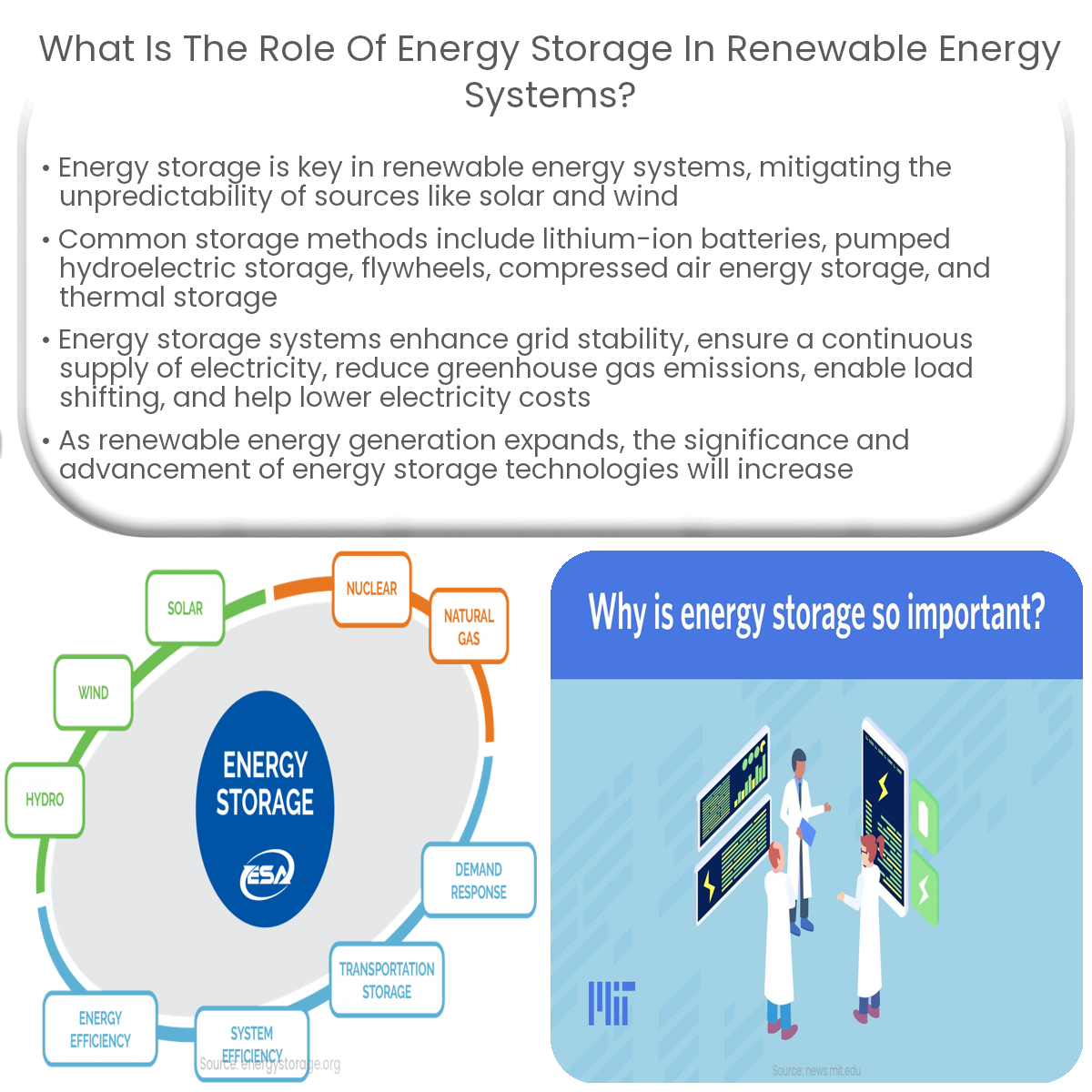
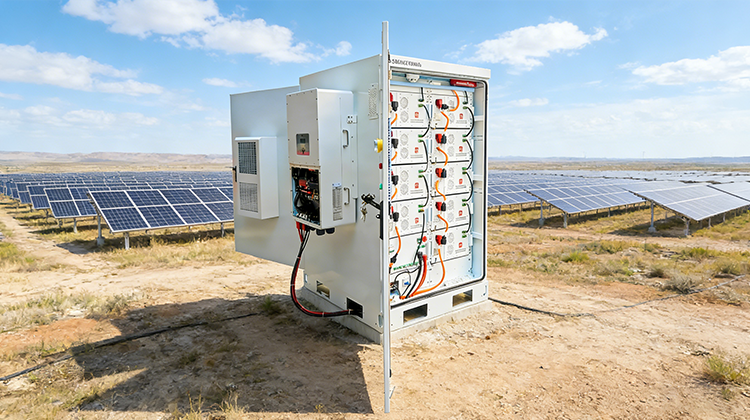
Energy storage systems are technologies that capture energy produced at one time for use at a later time. They can store energy in various forms, including:
- Chemical Storage: Batteries (e.g., lithium-ion, lead-acid)
- Mechanical Storage: Pumped hydro storage, flywheels
- Thermal Storage: Molten salt, hot water tanks
- Electrical Storage: Supercapacitors
These systems are essential for managing the intermittent nature of renewable energy sources like solar and wind.
1. Batteries: The most common form of energy storage, particularly lithium-ion batteries, which are widely used due to their efficiency and decreasing costs.
2. Pumped Hydro Storage: A mature technology that uses gravitational potential energy to store energy by pumping water uphill to a reservoir.
3. Flywheel Energy Storage: Stores energy in the form of kinetic energy, providing rapid response times and high power output.
4. Thermal Energy Storage: Stores heat for later use, which can be particularly useful in solar thermal power plants.


Energy storage systems play a critical role in stabilizing the electrical grid. They help balance supply and demand by storing excess energy generated during peak production times and releasing it during periods of high demand. This capability is essential for integrating renewable energy sources, which are often variable and unpredictable.
By enabling a higher penetration of renewable energy into the grid, energy storage systems contribute significantly to reducing greenhouse gas emissions. They allow for the displacement of fossil fuel-based power generation, which is a major contributor to climate change.
Energy storage systems facilitate the integration of renewable energy sources by providing backup power during outages and ensuring a consistent energy supply. This is particularly important for solar and wind energy, which can be intermittent.
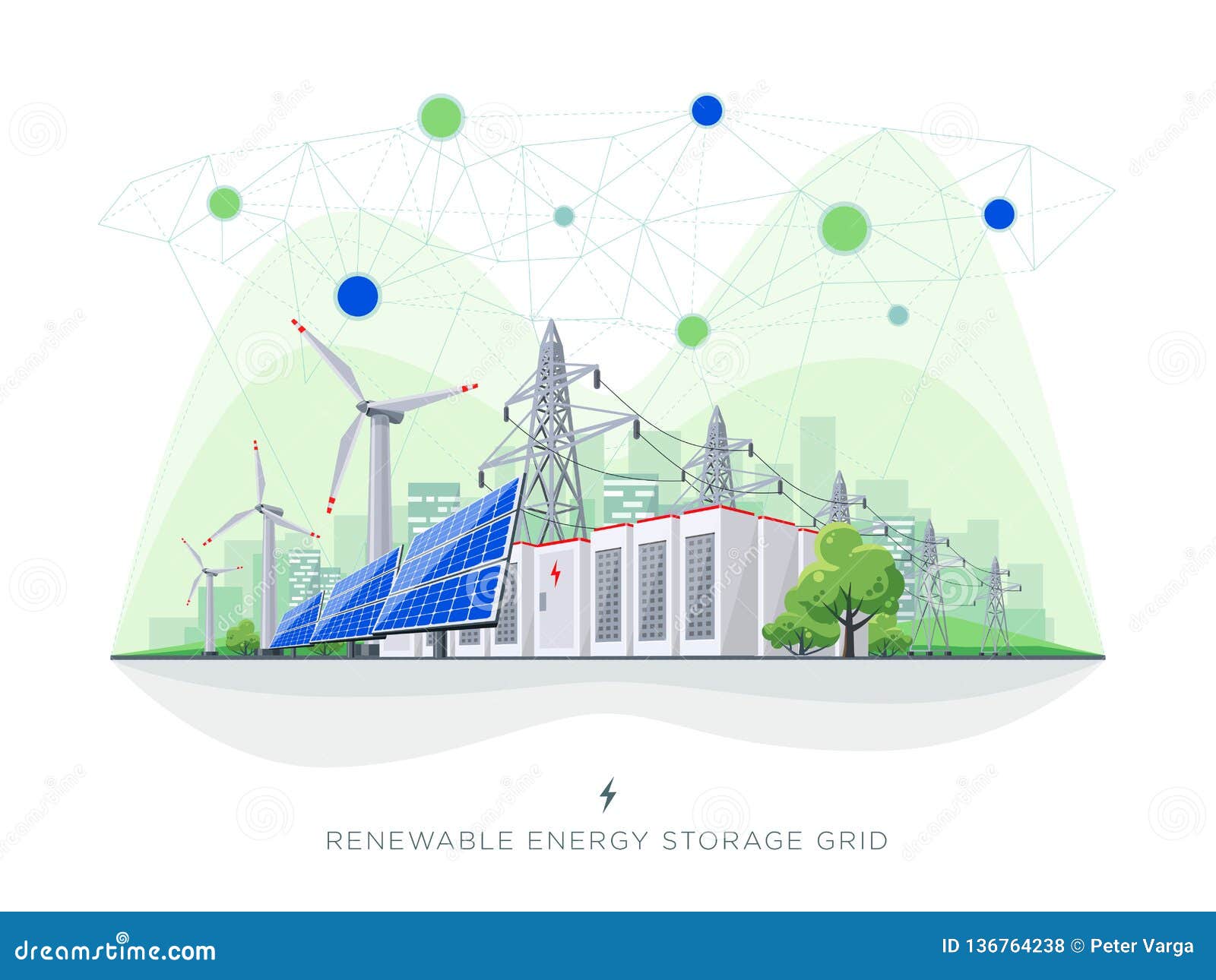
One of the main challenges in utilizing renewable energy is its intermittency. Energy storage systems provide a solution by capturing excess energy when production exceeds demand and releasing it when needed.
While the costs of energy storage technologies, particularly batteries, have been decreasing, further advancements are necessary to make these systems more accessible and efficient. Research and development in energy storage technologies are crucial for overcoming these barriers.
Effective policies and regulations are needed to support the deployment of energy storage systems. Governments can incentivize the adoption of these technologies through subsidies, tax credits, and other financial mechanisms.
The future of energy storage systems looks promising, with ongoing innovations aimed at improving efficiency, reducing costs, and increasing capacity. Technologies such as solid-state batteries and advanced thermal storage systems are on the horizon.
Artificial intelligence (AI) is expected to play a significant role in optimizing energy storage systems. AI can enhance the management of energy storage by predicting demand and optimizing the charging and discharging cycles of batteries.
The global energy storage market is projected to grow significantly in the coming years. Analysts predict that the market will expand at an annual rate of 21% through 2030, driven by the increasing demand for renewable energy and the need for grid stability.
Energy storage systems are integral to the transition towards a sustainable energy future. They enhance grid stability, reduce greenhouse gas emissions, and support the integration of renewable energy sources. As technology continues to advance and costs decrease, the role of energy storage in green energy will only become more significant.
1. What are the main types of energy storage systems?
- The main types include batteries, pumped hydro storage, flywheels, and thermal storage.
2. How do energy storage systems help in reducing emissions?
- They enable the use of renewable energy, reducing reliance on fossil fuels and lowering greenhouse gas emissions.
3. What challenges do energy storage systems face?
- Challenges include intermittency of renewable energy, high costs, and the need for supportive policies.
4. What is the future of energy storage technology?
- Innovations such as solid-state batteries and AI optimization are expected to enhance energy storage systems.
5. How does energy storage contribute to grid stability?
- Energy storage systems balance supply and demand by storing excess energy and releasing it during peak demand times.