Views: 311 Author: taoyan-Jenny Publish Time: 2026-02-05 Origin: Site


Content Menu
● Introduction to Energy Storage Systems
● H2: Types of Energy Storage Technologies
>> H3: Electrochemical Storage
● H2: Recent Technological Advancements
>> H3: Innovations in Battery Technology
● H2: Applications of Energy Storage Systems
>> H3: Renewable Energy Integration
>> H3: Grid Stability and Reliability
● H2: Future Trends in Energy Storage
>> H3: Environmental Considerations
Energy storage systems (ESS) have become a cornerstone of modern energy management, enabling the integration of renewable energy sources, enhancing grid stability, and providing backup power. As the world transitions towards a more sustainable energy future, the importance of energy storage systems cannot be overstated. This article explores the technological advancements in energy storage systems, their applications, and the future of energy storage technology.
Energy storage systems are technologies that store energy for use at a later time. They play a crucial role in balancing supply and demand, especially with the increasing reliance on intermittent renewable energy sources like solar and wind. As the energy landscape evolves, advancements in energy storage technologies are essential for achieving a sustainable energy future.
The growing demand for energy, coupled with the need to reduce greenhouse gas emissions, has led to a surge in interest in energy storage solutions. These systems not only help in managing energy supply but also contribute to the stability and reliability of the power grid. By storing excess energy generated during peak production times, energy storage systems ensure a stable supply during periods of low generation, thus facilitating the integration of renewable energy sources into the grid.
Energy storage technologies can be categorized into several types, each with unique characteristics and applications. Understanding these types is essential for evaluating their effectiveness in various scenarios.
Electrochemical storage systems, primarily batteries, are the most widely used energy storage technologies. They convert chemical energy into electrical energy and are essential for applications ranging from portable electronics to electric vehicles and grid storage.
- Lithium-Ion Batteries: These are the most common type of battery used in energy storage today. They offer high energy density, efficiency, and a relatively long lifespan. Lithium-ion batteries have revolutionized the energy storage landscape, making them the preferred choice for many applications, including consumer electronics, electric vehicles, and grid-scale storage. Their ability to charge quickly and discharge energy efficiently makes them ideal for balancing supply and demand in real-time.
- Flow Batteries: These batteries store energy in liquid electrolytes, allowing for scalable energy storage solutions suitable for large-scale applications. Flow batteries are particularly advantageous for long-duration energy storage, as they can be easily scaled up by increasing the size of the storage tanks. This flexibility makes them suitable for applications where energy needs may vary significantly over time.
Mechanical energy storage systems utilize physical processes to store energy. They are particularly effective for large-scale applications and can provide significant energy storage capacity.
- Pumped Hydro Storage: This method involves pumping water to a higher elevation during low demand and releasing it to generate electricity during peak demand. Pumped hydro storage is one of the oldest and most established forms of energy storage, accounting for a significant portion of global energy storage capacity. It is highly efficient, with round-trip efficiencies often exceeding 70%. However, the geographical requirements for suitable sites can limit its widespread adoption.
- Compressed Air Energy Storage (CAES): CAES systems compress air in underground caverns and release it to drive turbines when electricity is needed. This technology can store large amounts of energy and is particularly useful for balancing supply and demand in the grid. CAES systems can achieve efficiencies of around 70% to 90%, depending on the design and operational conditions. However, they require specific geological formations for implementation, which can limit their deployment.
Thermal energy storage systems capture and store heat for later use. They are commonly used in conjunction with solar thermal power plants and can provide significant benefits in terms of energy management.
- Molten Salt Storage: This technology stores heat in molten salt, which can be used to generate steam and produce electricity when sunlight is not available. Molten salt storage systems are particularly effective for concentrating solar power (CSP) plants, allowing them to generate electricity even when the sun is not shining. This capability enhances the reliability of solar power and helps to stabilize the grid.
- Ice Storage: Another form of thermal energy storage involves creating ice during off-peak hours and using it for cooling during peak demand periods. This method is particularly useful in commercial buildings, where cooling loads can be significant. Ice storage systems can reduce energy costs and alleviate stress on the grid during peak demand.

The energy storage sector is witnessing rapid technological advancements that enhance efficiency, reduce costs, and improve sustainability. These innovations are crucial for meeting the growing demand for energy storage solutions.
Recent developments in battery technology focus on increasing energy density, reducing costs, and improving safety. The advancements in battery technology are paving the way for more efficient and sustainable energy storage solutions.
- Solid-State Batteries: These batteries use solid electrolytes instead of liquid ones, offering higher energy density and improved safety. Solid-state batteries have the potential to significantly outperform traditional lithium-ion batteries in terms of energy density, safety, and longevity. They are less prone to thermal runaway, which is a significant safety concern with liquid electrolyte batteries. As research progresses, solid-state batteries could become a game-changer in the energy storage market.
- Sodium-Ion Batteries: As a more abundant and less expensive alternative to lithium, sodium-ion batteries are gaining traction for large-scale energy storage applications. Sodium-ion batteries have the potential to reduce reliance on lithium and cobalt, which are subject to supply chain constraints and price volatility. Research is ongoing to improve their performance and make them commercially viable.
The integration of energy storage systems with smart grid technology enhances grid reliability and efficiency. Smart grids utilize advanced communication and control technologies to optimize the generation, distribution, and consumption of electricity.
- Demand Response Programs: Energy storage systems can be used to shift energy consumption to off-peak times, reducing strain on the grid. By incentivizing consumers to use energy during off-peak hours, utilities can better manage demand and reduce the need for additional generation capacity. Energy storage systems play a critical role in these programs by providing a buffer that can absorb excess energy during low demand and release it during peak demand.
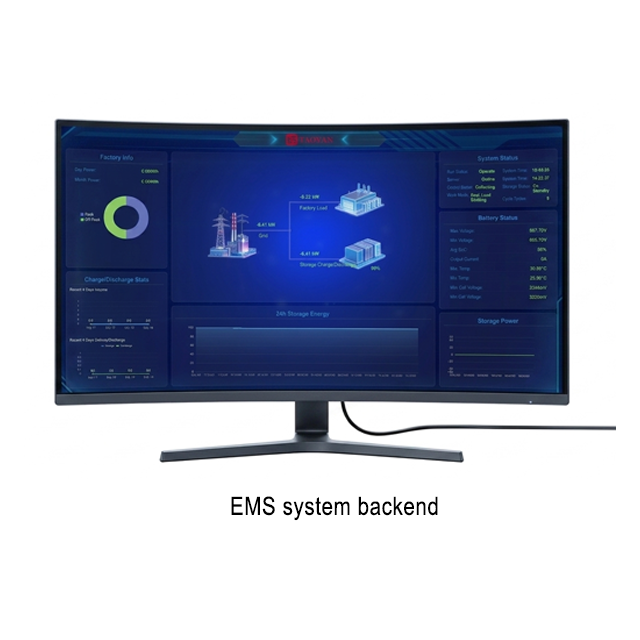
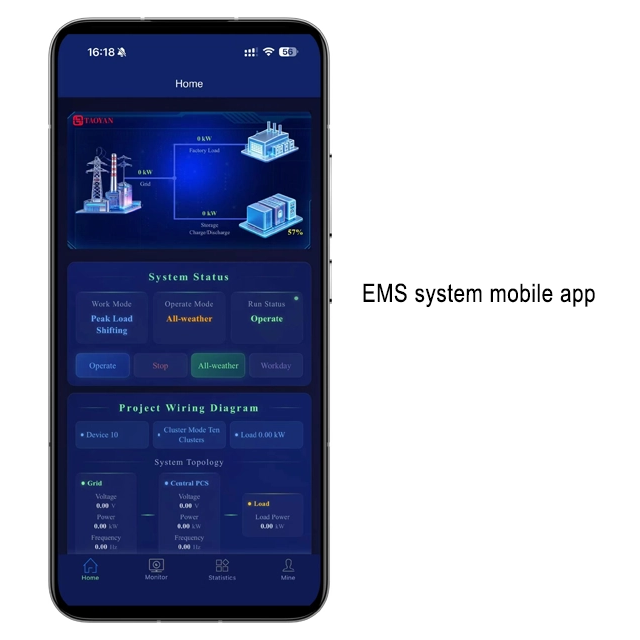
- Real-Time Monitoring: Advanced monitoring systems allow for better management of energy storage resources, optimizing their use based on real-time demand. These systems can provide valuable data on energy consumption patterns, enabling utilities to make informed decisions about energy distribution and storage. The integration of artificial intelligence and machine learning algorithms can further enhance the efficiency of energy storage systems by predicting demand and optimizing energy dispatch.

Energy storage systems have a wide range of applications across various sectors. Their versatility makes them suitable for numerous use cases, from residential to industrial applications.
Energy storage is critical for integrating renewable energy sources into the grid. By storing excess energy generated during peak production times, storage systems ensure a stable supply during periods of low generation. This capability is particularly important for solar and wind energy, which are inherently variable.
- Solar Energy Storage: Energy storage systems can store excess solar energy generated during the day for use at night or during cloudy periods. This capability enhances the reliability of solar power and allows for greater penetration of solar energy into the grid.
- Wind Energy Storage: Similarly, energy storage systems can store excess wind energy generated during high wind periods for use during low wind periods. This flexibility helps to stabilize the grid and ensures a continuous supply of electricity.
Energy storage systems enhance grid stability by providing backup power during outages and helping to balance supply and demand fluctuations. Their ability to respond quickly to changes in demand makes them invaluable for maintaining grid reliability.
- Frequency Regulation: Energy storage systems can provide frequency regulation services by quickly injecting or absorbing power to maintain the grid's frequency within acceptable limits. This capability is essential for preventing blackouts and ensuring the stability of the power grid.
- Backup Power: In the event of a power outage, energy storage systems can provide backup power to critical infrastructure, such as hospitals, data centers, and emergency services. This capability enhances the resilience of the grid and ensures that essential services remain operational during emergencies.
The rise of electric vehicles (EVs) has driven advancements in battery technology, leading to more efficient and longer-lasting batteries that can also serve as energy storage systems for homes and businesses. The integration of EVs into the energy ecosystem presents new opportunities for energy storage.
- Vehicle-to-Grid (V2G) Technology: V2G technology allows electric vehicles to discharge energy back into the grid when needed. This capability can help balance supply and demand, especially during peak periods. By utilizing the batteries in EVs as distributed energy storage resources, utilities can enhance grid stability and reduce the need for additional generation capacity.
- Home Energy Storage: Many EV owners are now using their vehicles as part of their home energy storage systems. By charging their EVs during off-peak hours and using the stored energy during peak hours, homeowners can reduce their energy costs and contribute to grid stability.
The future of energy storage is promising, with several trends shaping its development. As technology continues to evolve, energy storage systems will play an increasingly important role in the energy landscape.
As the demand for energy storage grows, investments in research and development are expected to increase, leading to further innovations and cost reductions. Governments, private companies, and research institutions are recognizing the importance of energy storage in achieving energy security and sustainability.
- Public and Private Funding: Increased funding from both public and private sectors is driving research and development in energy storage technologies. This investment is crucial for advancing new technologies and bringing them to market.
- Collaborative Research Initiatives: Collaborative research initiatives between universities, industry, and government agencies are fostering innovation in energy storage. These partnerships are essential for addressing the technical challenges associated with energy storage and accelerating the commercialization of new technologies.
Sustainability is becoming a key focus in energy storage technology. Manufacturers are exploring eco-friendly materials and recycling methods to minimize environmental impact. As the demand for energy storage grows, it is essential to consider the environmental implications of these technologies.
- Sustainable Materials: Research is ongoing to identify sustainable materials for energy storage systems. This includes exploring alternatives to lithium and cobalt, which are associated with environmental and ethical concerns related to mining.
- Recycling and Lifecycle Management: Developing effective recycling methods for batteries and other energy storage technologies is critical for minimizing waste and reducing the environmental impact of energy storage systems. Companies are investing in recycling technologies to recover valuable materials from used batteries and reduce the need for new raw materials.
International collaboration in research and development will accelerate advancements in energy storage technologies, promoting global energy security and sustainability. As countries work together to address the challenges of climate change and energy transition, collaboration in energy storage research will be essential.
- Knowledge Sharing: Collaborative efforts can facilitate knowledge sharing and best practices in energy storage technologies. By learning from each other's experiences, countries can accelerate the deployment of effective energy storage solutions.
- Joint Research Projects: International research projects can pool resources and expertise to tackle complex challenges in energy storage. These projects can lead to breakthroughs in technology and help establish global standards for energy storage systems.
Energy storage systems are vital for the transition to a sustainable energy future. With ongoing technological advancements, these systems will play an increasingly important role in integrating renewable energy, enhancing grid stability, and supporting the electrification of transportation. As the energy landscape continues to evolve, the importance of energy storage will only grow, making it a critical component of a resilient and sustainable energy system.
1. What are the primary limitations of current lithium-ion battery technology?
- Current limitations include high costs, resource scarcity (like cobalt), and safety concerns related to thermal runaway. Additionally, the environmental impact of lithium mining and battery disposal poses significant challenges.
2. How can energy storage systems improve the reliability of microgrids?
- Energy storage systems can provide backup power, balance supply and demand, and enhance the resilience of microgrids during outages. They enable microgrids to operate independently from the main grid, ensuring a continuous power supply.
3. What role do government policies play in promoting energy storage adoption?
- Government policies can incentivize investments in energy storage through subsidies, tax credits, and regulatory frameworks that support renewable energy integration. Policies that promote research and development in energy storage technologies are also crucial for advancing the sector.
4. What are the environmental impacts of energy storage systems?
- Environmental impacts can include resource extraction for battery materials, energy consumption during manufacturing, and challenges related to battery disposal and recycling. Sustainable practices in material sourcing and recycling are essential to mitigate these impacts.
5. How do energy storage systems contribute to reducing greenhouse gas emissions?
- By enabling greater use of renewable energy and improving energy efficiency, energy storage systems help reduce reliance on fossil fuels, thereby lowering greenhouse gas emissions. They facilitate the transition to a cleaner energy grid.